
glock 34 tungsten guide rod
Glock 34 Tungsten Guide Rod: A Comprehensive Overview
Glock handguns, like the 34, are renowned for reliability, yet modifications enhance performance․ Tungsten guide rods offer recoil reduction and potential accuracy gains, becoming popular upgrades․
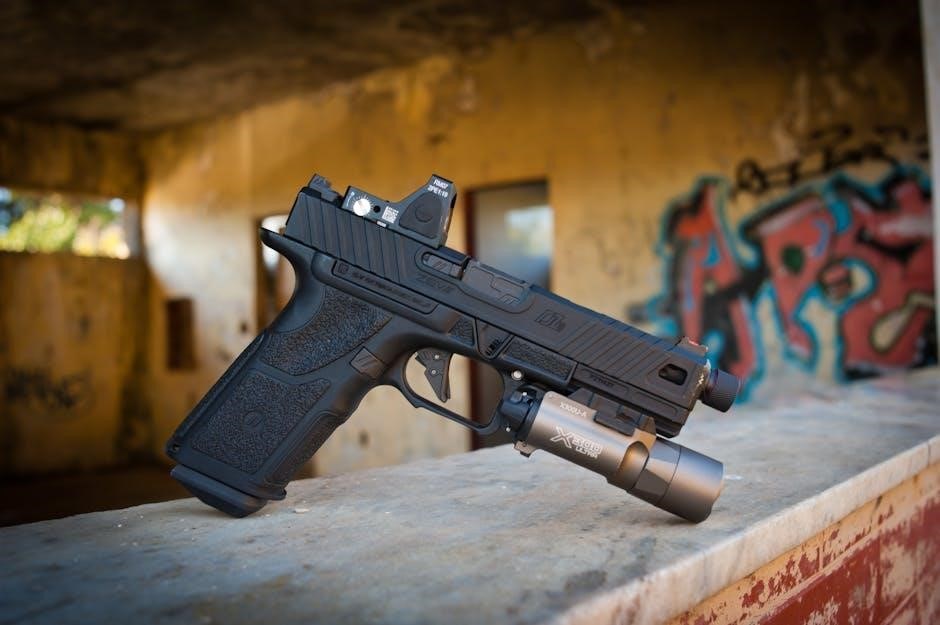
The Glock 34 is a full-sized, 9mm Luger pistol celebrated for its precision and dependability, frequently chosen by competitive shooters and law enforcement․ Introduced as part of the third generation, it quickly gained prominence․ Later iterations include the 4th (2010) and 5th (2018) generations, each with distinct features like modified grips and improved ergonomics․
Its robust polymer frame and simple design contribute to its lightweight nature and ease of maintenance․ Despite its inherent qualities, enthusiasts often seek enhancements, leading to the popularity of aftermarket parts like tungsten guide rods․ These modifications aim to refine the shooting experience further, addressing recoil and potentially improving accuracy․
What is a Tungsten Guide Rod?
A tungsten guide rod is a replacement component for the Glock 34’s factory steel guide rod, situated within the slide assembly․ Its primary function remains guiding the recoil spring during the firearm’s cycling process․ However, tungsten’s significantly higher density – approximately 1․7 times that of steel – introduces substantial weight to the front of the slide․
This increased mass alters the pistol’s mechanics, influencing recoil characteristics․ Manufacturers like Lone Wolf and Tungsten Technologies produce these rods, offering varying weights․ The core principle is to leverage tungsten’s density to counteract the rearward movement during firing, potentially leading to reduced felt recoil and faster follow-up shot recovery․
Benefits of a Tungsten Guide Rod in a Glock 34
Installing a tungsten guide rod in a Glock 34 aims to improve shooting dynamics․ The added weight upfront noticeably reduces perceived recoil and minimizes “snapping,” allowing for quicker target re-acquisition․ This is particularly beneficial during rapid fire sequences in competitive shooting scenarios․
Beyond recoil mitigation, proponents suggest enhanced reliability․ The increased mass can contribute to more consistent cycling of the slide, potentially reducing malfunctions․ However, it’s crucial to note that proper installation and maintenance are vital to realizing these benefits․ Ultimately, a tungsten guide rod seeks to optimize the Glock 34’s performance․
Reduced Recoil and Snapping
A primary advantage of a tungsten guide rod in a Glock 34 is its ability to mitigate felt recoil․ The denser material, significantly heavier than the factory steel rod, adds forward weight․ This increased mass counteracts the rearward movement during firing, resulting in a smoother shooting experience․
Furthermore, the added weight minimizes “snapping” – the abrupt upward jerk of the muzzle․ This allows shooters to maintain a more consistent sight picture and recover faster between shots․ Reduced recoil and snap contribute to improved accuracy and control, especially during rapid-fire engagements, making the Glock 34 more manageable․
Improved Reliability
While seemingly counterintuitive, a quality tungsten guide rod can enhance Glock 34 reliability․ The original equipment manufacturer (OEM) steel guide rod, while functional, can sometimes exhibit issues over extended use, particularly concerning the plastic recoil spring guide․ Tungsten rods, often paired with a stainless-steel recoil spring guide, eliminate this potential failure point․
The robust construction of aftermarket tungsten setups resists deformation and wear, ensuring consistent operation․ This is especially crucial in high-round-count scenarios or demanding applications․ By upgrading this component, shooters can minimize the risk of malfunctions and maintain dependable performance from their Glock 34․
Glock Generations and Guide Rod Compatibility
Glock 34 models span multiple generations, impacting guide rod compatibility․ First through third-generation models utilize a similar guide rod design, generally accepting aftermarket tungsten options designed for those generations․ However, the fourth and fifth generations introduced significant changes․
Fourth-generation Glocks feature a modified recoil spring assembly requiring specific tungsten guide rods designed for that generation․ Fifth-generation models further refined the system, demanding dedicated fifth-generation compatible rods․ Incorrect installation of a guide rod intended for a different generation can lead to malfunctions or damage․ Always verify compatibility before purchasing and installing․
4th Generation Glock 34 Considerations
Fourth-generation Glock 34s present unique considerations for tungsten guide rod upgrades․ These models feature a dual recoil spring assembly, differing significantly from earlier generations․ Tungsten rods for Gen4 Glocks must be specifically designed to work with this system, ensuring proper function and recoil reduction․
Installation requires careful attention, as the Gen4 assembly can be more complex․ Ensure the chosen rod’s length and spring rates are compatible․ Some users report improved cycling and reduced felt recoil with a quality tungsten rod in their Gen4 Glock 34, enhancing shooting comfort and control․
5th Generation Glock 34 Considerations
Fifth-generation Glock 34s introduce further changes impacting tungsten guide rod selection․ Notably, the Gen5 features a flared magazine well and an ambidextrous slide stop lever․ While these don’t directly affect guide rod functionality, compatibility with other aftermarket parts should be verified․
Tungsten rods for Gen5 models must account for the slightly modified internal dimensions․ Proper fit is crucial to avoid issues with slide lock or disassembly․ Many shooters report a noticeable reduction in muzzle flip and faster follow-up shots when using a quality tungsten guide rod in their Gen5 Glock 34, improving overall performance․
Installation of a Tungsten Guide Rod
Installing a tungsten guide rod in a Glock 34 is generally a straightforward process, achievable with basic gunsmithing skills․ However, caution and adherence to safety protocols are paramount․ Begin by ensuring the firearm is unloaded and clear of ammunition․ Field stripping the Glock 34 is the initial step, removing the slide assembly from the frame․
The original guide rod and recoil spring are then removed․ The tungsten rod, often pre-assembled with a compatible recoil spring, is inserted into the slide․ Reassembly follows the reverse order of disassembly, requiring careful attention to ensure proper alignment and function․
Tools Required for Installation
Successfully installing a tungsten guide rod in a Glock 34 necessitates a few essential tools․ A Glock-specific armorer’s tool, or a similar punch set, is crucial for safely disassembling the slide assembly․ A non-marring punch, often made of brass or nylon, prevents damage to the firearm’s finish during pin removal․
Quality gunsmithing lubricant facilitates smooth reassembly and ensures proper function․ A clean workspace and a gun cleaning mat protect components and prevent loss․ While not always required, a recoil spring compressor can simplify the installation process, especially for those unfamiliar with the procedure․
Step-by-Step Installation Guide
Begin by ensuring the Glock 34 is unloaded and safe․ Field strip the pistol, removing the slide assembly․ Using the armorer’s tool, carefully remove the recoil spring and original guide rod․ Lubricate the new tungsten guide rod with quality gun oil․ Insert the tungsten rod into the slide, ensuring proper orientation․
Compress the recoil spring and carefully position it over the guide rod․ Reassemble the slide, aligning all components․ Test the slide’s function, verifying smooth travel and proper recoil spring compression․ Finally, reassemble the Glock 34 and perform a function check․
Tungsten vs․ Steel Guide Rods: A Comparison
Steel guide rods are the factory standard, offering durability at a lower cost․ However, tungsten rods boast significantly reduced weight, impacting the pistol’s overall balance and perceived recoil․ Tungsten’s higher density allows for a lighter rod with equivalent strength․
While steel is exceptionally durable, tungsten exhibits comparable longevity with proper maintenance․ The weight difference influences cycle time, potentially aiding faster follow-up shots․ Ultimately, the choice depends on individual priorities – cost-effectiveness versus performance enhancement․

Weight Differences and Impact
Tungsten guide rods are substantially lighter than their steel counterparts, typically reducing weight by around 50-60%․ This reduction, though seemingly small, alters the Glock 34’s front-end weight distribution․ A lighter front end contributes to a quicker cycle time during recoil, potentially improving recovery and follow-up shot speed․
The decreased weight also minimizes the “snapping” sensation felt during firing, enhancing control․ While some shooters prefer the feel of a heavier slide, others benefit from the increased maneuverability offered by a lighter tungsten rod, especially in competitive shooting scenarios;

Durability and Longevity
Tungsten guide rods, despite being lighter, demonstrate excellent durability․ High-quality tungsten alloys resist corrosion and deformation effectively, ensuring a long service life within a Glock 34․ However, some concerns exist regarding potential wear points where the tungsten rod interfaces with other components․
Proper lubrication is crucial to mitigate wear and maintain longevity․ While tungsten is inherently strong, improper installation or insufficient maintenance can lead to premature failure․ Compared to steel, tungsten may exhibit slightly lower resistance to sustained high-stress impacts, but generally performs reliably under typical shooting conditions․
Popular Tungsten Guide Rod Manufacturers
Lone Wolf Distributors is a well-respected name, known for precision-engineered Glock parts, including tungsten guide rods․ They offer various options tailored to different Glock generations and user preferences, emphasizing quality and fit․ Tungsten Technologies specializes in tungsten components for firearms, providing guide rods designed for reduced recoil and improved cycling․
Other manufacturers, like Brownells, also carry tungsten guide rods compatible with the Glock 34․ Choosing a reputable brand ensures proper material composition and manufacturing tolerances․ Customer reviews often highlight the noticeable recoil reduction and smoother operation provided by these aftermarket components․
Lone Wolf Distributors
Lone Wolf Distributors stands as a prominent manufacturer of Glock aftermarket parts, highly regarded for their quality and precision engineering․ Their tungsten guide rods for the Glock 34 are specifically designed to minimize recoil impulse and enhance firearm performance․ They offer a range of options, including both full-length and reduced-power recoil spring combinations․
Lone Wolf’s reputation stems from rigorous testing and a commitment to providing reliable upgrades․ Customers frequently praise their excellent fitment and noticeable improvement in shootability․ They cater to competitive shooters and enthusiasts seeking to optimize their Glock 34’s handling characteristics․
Tungsten Technologies
Tungsten Technologies is another respected name in the Glock aftermarket, specializing in precision components designed to improve firearm functionality․ Their tungsten guide rods for the Glock 34 are engineered to reduce felt recoil through increased mass and optimized material properties․ They focus on delivering a smoother shooting experience and faster follow-up shots․
The company emphasizes quality control and utilizes advanced manufacturing techniques․ Customers appreciate the durability and consistent performance of Tungsten Technologies’ products․ They offer various spring weight options to tailor recoil management to individual preferences and shooting styles, appealing to both recreational and competitive users․
Potential Drawbacks of Tungsten Guide Rods
While offering benefits, tungsten guide rods aren’t without potential drawbacks․ The most significant is cost; they are considerably more expensive than standard steel replacements․ Compatibility issues can arise with certain aftermarket slides or barrels, requiring careful verification before purchase․ Some users report increased wear on the polymer frame over extended use due to the added weight and stress․
Furthermore, the increased mass, while reducing recoil, can slightly alter the pistol’s balance․ Though generally minimal, this change might affect shooting feel for some individuals․ Proper installation is crucial; incorrect assembly can lead to malfunctions or damage;
Cost Considerations
Tungsten guide rods represent a premium upgrade for the Glock 34, and this is reflected in their price․ Expect to pay significantly more for a tungsten rod compared to a standard steel replacement․ Prices typically range from $50 to over $100, depending on the manufacturer and any included components, like recoil springs․
While the performance benefits may justify the expense for competitive shooters or those seeking recoil mitigation, casual users might find the cost prohibitive․ Consider the overall value proposition – is the improved performance worth the investment? Factor in potential installation costs if you’re not comfortable performing the work yourself․
Compatibility Issues with Aftermarket Parts
Installing a tungsten guide rod in a Glock 34 generally doesn’t cause widespread compatibility problems, but potential conflicts can arise with certain aftermarket components․ Specifically, some aftermarket slides or barrels may have tighter tolerances that interfere with the tungsten rod’s fit․
Be cautious when combining a tungsten rod with non-factory recoil spring assemblies, ensuring proper spring rate and length․ Always verify compatibility before purchasing, especially if you’ve modified your Glock extensively․ It’s wise to consult with the rod manufacturer or a qualified gunsmith to avoid potential issues and ensure safe operation․
Maintenance and Care of a Tungsten Guide Rod
Maintaining a tungsten guide rod is similar to caring for a standard steel rod, though its material demands attention․ Regular cleaning after each range session is crucial; remove any carbon buildup or debris with a quality solvent and a nylon brush․
Lubrication is key – apply a light coat of gun oil to the rod and the surrounding areas, avoiding excessive amounts․ Inspect the rod periodically for any signs of damage or wear․ Tungsten is durable, but proper care extends its lifespan and ensures reliable Glock 34 function․
Cleaning Procedures
Cleaning a Glock 34’s tungsten guide rod requires a gentle approach․ Begin by field stripping the pistol, carefully removing the slide assembly․ Use a quality gun solvent and a nylon brush to thoroughly clean the guide rod, removing carbon fouling and residue․ Avoid abrasive cleaners that could damage the tungsten coating․
Pay close attention to the areas where the rod contacts the slide and barrel․ A clean, lint-free cloth is ideal for wiping away remaining solvent․ Ensure the recoil spring is also cleaned before reassembly, promoting smooth operation and longevity of the upgraded component․
Lubrication Recommendations
Proper lubrication is crucial for a Glock 34 tungsten guide rod’s performance․ Apply a high-quality gun lubricant sparingly to the guide rod itself, focusing on the contact points within the slide․ A light coating ensures smooth movement and minimizes friction during cycling․ Avoid excessive lubrication, as it can attract dirt and debris․
Additionally, lubricate the recoil spring and the areas where the guide rod interacts with the barrel lug․ Silicone-based lubricants are often preferred for their clean operation․ Regular lubrication, combined with cleaning, will maximize the lifespan and reliability of your tungsten guide rod upgrade․
Glock 34 Tungsten Guide Rod in Competitive Shooting
Competitive shooters often seek every advantage, and a tungsten guide rod in a Glock 34 can contribute to faster follow-up shots․ Reduced recoil and snap allow for quicker target reacquisition and improved accuracy under pressure․ The smoother recoil impulse aids in maintaining sight alignment during rapid fire sequences․
However, competition rules vary; ensure tungsten guide rods are permitted in your specific division․ While offering performance benefits, remember that skill and practice remain paramount․ A well-maintained tungsten guide rod can be a valuable asset in the pursuit of competitive excellence․
Impact on Accuracy and Speed
A tungsten guide rod in a Glock 34 aims to improve both accuracy and speed, primarily through recoil management․ By reducing felt recoil and muzzle flip, shooters experience faster recovery times between shots, leading to quicker follow-ups․ This minimized disturbance to the sights contributes to tighter groupings and enhanced precision․

The smoother recoil impulse also allows for more consistent trigger control, further aiding accuracy․ While the impact varies based on shooter skill and other modifications, a tungsten guide rod generally promotes a more stable shooting platform, ultimately boosting both speed and accuracy․

Legal Considerations for Competition
Competitive shooting organizations have specific rules regarding firearm modifications, including guide rods․ While tungsten guide rods are generally permitted, it’s crucial to verify compliance with the governing body’s regulations – USPSA, IDPA, or others – before a competition․ Some divisions may restrict aftermarket parts or have weight limitations․

Competitors must ensure their Glock 34, equipped with a tungsten guide rod, adheres to all rules to avoid disqualification․ Checking the latest rulebook and consulting with range officials is essential․ Ignoring these legal aspects can lead to penalties or exclusion from the event;