
castle diary pdf
Castle Diary PDF: A Comprehensive Guide (Updated 05/04/2026)
Today, 05/04/2026, explore “Castle Diary” as a captivating historical fiction PDF, detailing young Tobias Burgess’s year as a page within a medieval castle’s walls.
What is “Castle Diary”?
“Castle Diary”, published in January of 1285, is a remarkable work of historical fiction presented in a unique picture-book format. The narrative meticulously chronicles a full year in the life of Tobias Burgess, the young son of a knight. Toby embarks on a journey to his uncle’s imposing castle, where he is to begin his training as a page.
The story unfolds through the compelling medium of a diary, allowing readers to intimately experience life through Toby’s eyes. We follow his adaptation to the castle environment, learning about his new responsibilities, ranging from attending to Lady Elizabeth, his aunt, to diligently studying Latin under the guidance of the castle Chaplain.
This exceptional book doesn’t merely tell a story; it vividly paints a picture of what life was truly like for a page within the walls of a grand English castle, offering a rich and immersive experience for readers of all ages.
The Author: Richard Platt and Historical Context
Richard Platt is the author behind this exceptional journey into medieval life. He masterfully blends engaging storytelling with meticulous historical detail, creating a truly immersive experience for young readers. Platt doesn’t simply narrate events; he provides a window into the customs, traditions, and daily realities of 13th-century England.
The book’s strength lies in its ability to present a wealth of information about the Middle Ages and castle life, surpassing many other children’s books on the subject. The historical context is carefully woven into the narrative, allowing readers to understand the societal structures and educational practices of the time.
Platt’s work stands out for its dedication to accuracy, offering a genuine glimpse into the world of a young page and the complexities of castle society.
The Diary Format: Tobias Burgess’s Perspective
“Castle Diary” uniquely unfolds through the personal entries of Tobias Burgess, a knight’s son embarking on his new life as a page in his uncle’s castle in January 1285. This diary format isn’t merely stylistic; it’s fundamental to the book’s immersive quality. Readers experience castle life through Toby’s eyes, sharing his initial anxieties, gradual adjustments, and growing understanding of his duties.
We follow Toby as he navigates his new responsibilities – from attending to Lady Elizabeth to diligently studying Latin with the Chaplain. This first-person perspective allows for a deeply personal connection to the historical period, making the learning process more engaging and relatable.
The diary entries provide intimate insights into the daily routines and challenges faced by a young page, fostering empathy and a genuine appreciation for medieval life.
Content and Themes Explored in the Diary
“Castle Diary” vividly portrays medieval castle life, exploring themes of duty, education, social structure, and the daily experiences of a young page, Tobias Burgess.
Life as a Page in a Medieval Castle
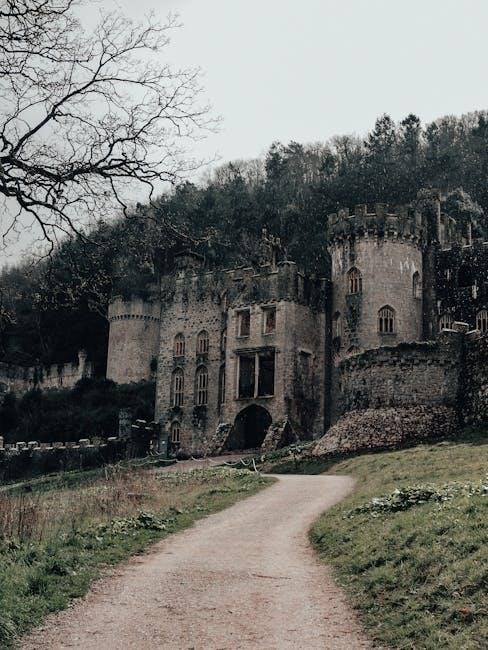
“Castle Diary” offers a remarkably detailed glimpse into the life of a page within a 13th-century English castle. Through Tobias Burgess’s journal entries, readers experience the realities of this formative role for young boys of noble birth. The diary chronicles Toby’s arrival at his uncle’s castle in January 1285, marking the beginning of his training and service;
Life as a page was multifaceted, encompassing both rigorous duties and opportunities for education. Toby’s days were filled with tasks like attending to Lady Elizabeth, learning proper etiquette, and beginning his studies in Latin with the castle chaplain. This immersive experience highlights the blend of practical skills and academic pursuits expected of a page, preparing them for potential knighthood or service to the lord of the castle. The narrative skillfully illustrates the demanding yet privileged existence of a young boy navigating the complexities of medieval court life.
Daily Duties and Responsibilities of a Page
“Castle Diary” meticulously details the extensive daily duties expected of a page like Tobias Burgess. Toby’s journal entries reveal a schedule brimming with responsibilities, ranging from personal service to noble ladies – attending to Lady Elizabeth is a recurring task – to assisting with meals and maintaining the castle’s order. He learns to anticipate needs, practice proper manners, and navigate the intricate social dynamics of the court.
Beyond service, a page’s day included crucial educational components. Latin lessons with the chaplain were paramount, forming the foundation of a noble education. Toby’s experiences demonstrate the importance placed on literacy and religious instruction. The diary vividly portrays the demanding yet structured life of a page, highlighting the blend of physical labor, social etiquette, and academic learning that prepared these young boys for future roles within medieval society.
Social Hierarchy within the Castle Walls

“Castle Diary” expertly illustrates the rigid social hierarchy prevalent within a 13th-century castle. Through Tobias Burgess’s eyes, readers witness a world sharply divided by rank and status. The diary reveals the clear distinctions between the lord and lady of the castle, their knights and retainers, and the numerous servants – including pages like Toby – who kept the castle functioning.
Toby’s interactions demonstrate the importance of knowing one’s place and showing proper deference to superiors. He learns to navigate complex relationships, understanding that even small transgressions could have consequences. The book subtly conveys the power dynamics at play, highlighting the privileges enjoyed by the nobility and the limitations imposed upon those of lower birth. This detailed depiction offers a valuable insight into the social fabric of the medieval period.

Educational Value and Historical Accuracy
“Castle Diary” provides a detailed, historically grounded depiction of 13th-century castle life, enriching young readers with customs and traditions of the medieval period.
Detailed Depiction of 13th-Century Castle Life
“Castle Diary” excels in vividly portraying the intricacies of life within a large English castle during the late 13th century. Through Tobias Burgess’s journal entries, readers gain insight into the daily routines, social structures, and material conditions of the era. The book doesn’t shy away from detailing the practical aspects of castle existence – from the duties of a page, like waiting upon noblewomen, to the rigorous study of Latin under the Chaplain’s guidance.
Richard Platt masterfully weaves historical details into the narrative, offering a tangible sense of what it would have been like to inhabit such a space. The diary format enhances this immersion, presenting information through a personal lens, making the historical context more accessible and engaging for young audiences. It’s a remarkable achievement in bringing medieval history to life, offering a wealth of information within a compelling story.
Customs and Traditions of the Medieval Period
“Castle Diary” doesn’t just present a story; it’s a window into the customs and traditions that governed medieval life. The book illuminates the hierarchical social structure, where a young page like Tobias Burgess understood his place within the castle’s complex network of relationships and responsibilities. Readers learn about the expectations placed upon individuals based on their social standing, and the rituals that punctuated daily existence.
Platt skillfully incorporates details about medieval etiquette, religious practices, and the importance of education – particularly the study of Latin – into Tobias’s experiences. This provides a nuanced understanding of the values and beliefs that shaped the period. The narrative subtly reveals how deeply ingrained these traditions were, influencing everything from mealtimes to religious observances, offering a rich cultural context.
Learning Latin and Education for Pages
“Castle Diary” vividly portrays the crucial role of education, specifically Latin, in the life of a medieval page like Tobias Burgess. The diary entries detail his studies with the castle Chaplain, highlighting the importance placed on literacy and religious understanding during this period. Latin wasn’t merely an academic pursuit; it was the language of the Church, scholarship, and administration, essential for advancement.
Richard Platt demonstrates how pages weren’t solely focused on martial training. Their education encompassed reading, writing, and memorization, preparing them for potential roles in service to the nobility or the Church. The book illustrates the challenges and rewards of mastering a complex language, offering insight into the intellectual life within castle walls and the opportunities available to those who excelled.

Availability and Formats of “Castle Diary”
“Castle Diary” is readily available as a digital PDF on Rakuten Kobo, alongside physical book editions, offering accessibility for diverse reading preferences.
Rakuten Kobo and Digital PDF Versions
“Castle Diary: The Journal of Tobias Burgess, Page” by Richard Platt is conveniently accessible as a digital PDF version through Rakuten Kobo. This format allows readers to instantly download and enjoy the immersive historical fiction experience on a variety of devices, including e-readers, tablets, and computers.
The PDF version retains the original book’s layout and illustrations, ensuring a faithful recreation of the reading experience. Readers benefit from features like adjustable font sizes and the ability to search within the text, enhancing comprehension and engagement. Rakuten Kobo often provides promotional offers and discounts on digital titles, making “Castle Diary” an affordable option for those interested in exploring medieval history through a captivating narrative.
The digital format is particularly useful for educators and students, facilitating easy sharing and integration into classroom activities. It’s a fantastic resource for bringing the 13th-century castle life to life in an interactive and accessible way.
Physical Book Editions and Collectibility
Alongside the convenient PDF availability, “Castle Diary” remains highly sought after in its physical book editions. Originally published as a beautifully illustrated hardback, these editions often feature detailed depictions of medieval castle life, enhancing the immersive reading experience. First editions and those in excellent condition are becoming increasingly collectible among enthusiasts of historical fiction and children’s literature.
Variations in cover art and printing dates can influence a book’s collectibility, with earlier printings generally commanding higher prices. The book’s enduring popularity and educational value contribute to its sustained demand in the secondhand market.
While the PDF offers accessibility, many readers appreciate the tactile experience of owning a physical copy of “Castle Diary,” making it a cherished addition to personal libraries and a potential investment for collectors.
Accessibility for Young Readers
The “Castle Diary” PDF version significantly enhances accessibility for young readers, offering features beyond the traditional physical book. Adjustable font sizes and screen readers cater to diverse learning needs, making the text more approachable for those with visual impairments or dyslexia. The digital format allows for easy navigation and searching, aiding comprehension and research.
Interactive elements, such as clickable glossary terms or embedded images, can further enrich the reading experience.
Furthermore, the PDF’s portability allows students to access the diary on various devices – tablets, computers, and smartphones – facilitating learning both inside and outside the classroom; This widespread availability ensures that more young readers can engage with this captivating glimpse into 13th-century castle life.
Related Works and Series Connections
Richard Platt authored other historical fiction, while “Castle Diary’s” immersive detail connects to broader medieval history resources for enriched learning experiences.
Richard Platt’s Other Historical Fiction
Richard Platt is a prolific author specializing in engaging historical fiction for young readers, extending beyond the captivating world of “Castle Diary.” He skillfully blends meticulous research with compelling narratives, bringing history to life in an accessible and exciting manner. Platt’s other notable works delve into diverse historical periods, offering similar immersive experiences to “Castle Diary.”
Readers who enjoyed Tobias Burgess’s journey will find appeal in Platt’s explorations of ancient civilizations and other medieval settings. His books consistently feature relatable characters facing authentic challenges within their historical contexts. Platt’s dedication to accuracy, combined with his talent for storytelling, makes his works valuable resources for both entertainment and educational purposes. Discover a wider range of historical adventures penned by this exceptional author!
Connections to Medieval History Resources
“Castle Diary” serves as an excellent springboard for further exploration of medieval history, connecting readers to a wealth of supplementary resources; Numerous online databases, museum websites, and academic articles offer detailed information about 13th-century castle life, social structures, and daily routines. The book’s depiction of a page’s duties can be cross-referenced with historical accounts of medieval households and education.
Educational websites dedicated to the Middle Ages provide interactive maps, timelines, and primary source materials. Museums with medieval collections, both physical and virtual, offer artifacts and exhibits that illuminate the world of Tobias Burgess. Utilizing these resources enhances understanding and appreciation of the historical context presented in “Castle Diary,” fostering a deeper engagement with the period.
“Castle” TV Series – A Separate Entity
Despite sharing a title, Richard Platt’s “Castle Diary” holds no connection to the American crime drama television series, “Castle,” starring Nathan Fillion. The TV show centers on a mystery novelist who partners with a New York City detective, offering a modern, fictionalized take on crime-solving. It’s crucial to distinguish between these two entirely separate entities.
While both utilize the “Castle” name, their genres, target audiences, and content are vastly different. “Castle Diary” is a work of historical fiction aimed at young readers, providing an immersive glimpse into medieval life. The TV series is a contemporary procedural drama with comedic elements. Confusing the two would lead to mismatched expectations and a misunderstanding of each work’s unique purpose and appeal.
Marienburg Castle: A Real-World Counterpart

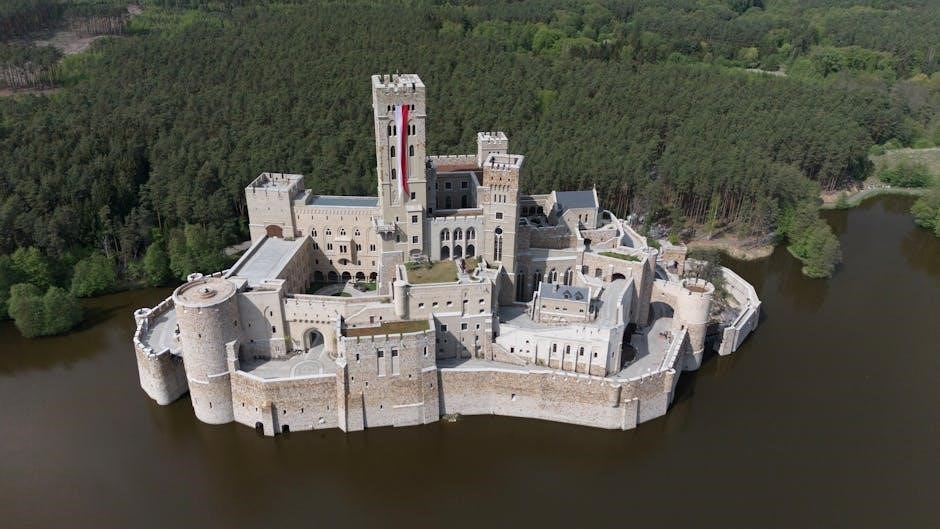
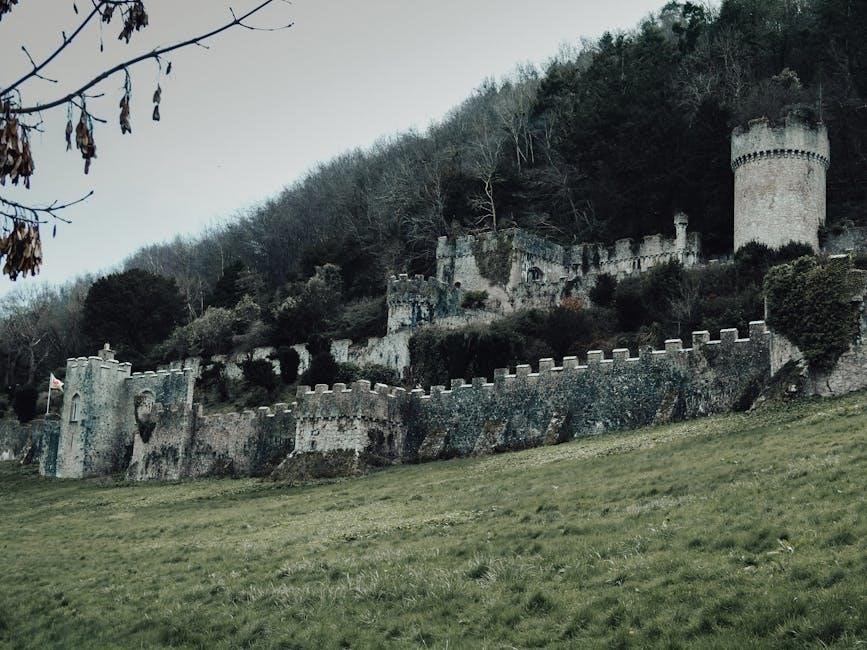
Marienburg Castle, a stunning neo-Gothic structure in Germany, offers a tangible parallel to the castle vividly depicted within the pages of “Castle Diary” PDF.
Neo-Gothic Architecture and Historical Significance
Marienburg Castle, constructed between 1858 and 1869 for King George V of Hanover, exemplifies breathtaking Neo-Gothic architecture. This style, a 19th-century revival, intentionally evokes the aesthetic of medieval castles, mirroring the settings brought to life in the “Castle Diary” PDF.

Unlike authentically medieval fortifications, Marienburg was conceived as a romantic residence, prioritizing aesthetics over strict defense. However, its imposing towers, intricate detailing, and grand scale successfully recreate the atmosphere of a powerful medieval stronghold.
Historically, the castle served as a symbol of Prussian power and royal ambition. Later, it endured periods of neglect and even served as a Nazi training facility during World War II. Today, meticulously restored, it stands as a testament to architectural artistry and a poignant reminder of Germany’s complex past, offering a visual echo to the world explored within the “Castle Diary” PDF.
Comparison to the Castle Depicted in the Diary
While Marienburg Castle is a 19th-century reconstruction, it provides a compelling visual analogue to the unnamed English castle inhabited by Tobias Burgess in the “Castle Diary” PDF. Both structures convey a sense of imposing grandeur and complex internal organization, reflecting the hierarchical society detailed within the diary’s pages.
However, key differences exist. Marienburg, built for comfort and display, lacks the purely defensive focus of a 13th-century castle. The “Castle Diary” portrays a more utilitarian, albeit still impressive, fortress, prioritizing function over elaborate ornamentation.
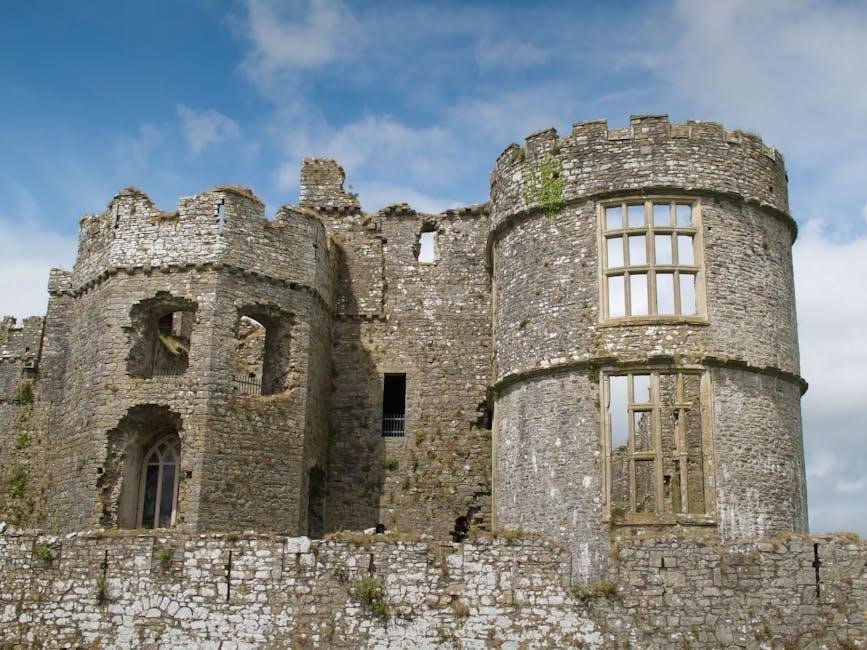
Despite these distinctions, Marienburg’s scale and architectural features – towers, courtyards, great halls – effectively illustrate the physical environment experienced by Tobias, enhancing the reader’s immersion in the world presented in the “Castle Diary” PDF and offering a tangible connection to the medieval period.
Visiting Marienburg Castle Today
A visit to Marienburg Castle offers a unique opportunity to step back in time and visualize the world described in Richard Platt’s “Castle Diary” PDF. Open to the public, the castle allows exploration of its meticulously restored rooms, grand halls, and expansive grounds, providing a tangible sense of medieval castle life.
Tourists can wander through the chambers, imagining Tobias Burgess navigating similar spaces as a young page. While not a direct replica of the diary’s setting, Marienburg’s architecture and atmosphere evoke the scale and complexity of a 13th-century fortress.
Exhibits detail the castle’s history and construction, enriching the experience for readers of the “Castle Diary” PDF, offering context and a deeper understanding of the medieval world. It’s a fantastic complement to the book!