mirro pressure canner instruction manual
Mirro pressure canning, a time-honored method, relies heavily on correct instruction manuals for safe food preservation.
Older Mirro canners require specific guides, while newer models (post-2016/2017) necessitate disregarding legacy instructions entirely, ensuring optimal and secure canning practices.
Understanding Legacy Mirro Canners
Legacy Mirro canners, particularly models like the 92040 and related series, demand strict adherence to their original instruction manuals. These older canners operate differently than newer versions,
requiring specific knowledge for safe operation. Facebook groups like “Canning for beginners, safely by the book” emphasize using the correct manual for these established Mirro appliances.
Importance of Using the Correct Manual
Utilizing the appropriate Mirro pressure canner manual is paramount for safe and effective food preservation. Incorrect instructions can lead to under-processing, risking botulism.
Specifically, manuals preceding 2016/2017 are inapplicable to newer models, and vice versa. Always consult the manual designed for your specific Mirro canner model.

Mirro Pressure Canner Models
Mirro offers various pressure canner models, including the popular Model 92040 and related series. Identifying your specific model is crucial for accessing the correct instruction manual.
Model 92040 and Related Series
Model 92040, alongside 92060, 92041, 92012, 92022, 92051, and 92080, represents a common Mirro line. Accessing the correct instruction manual via resources like ManualsLib is vital. These models share similar operational principles, but always confirm compatibility before use.
Identifying Your Specific Mirro Canner
Accurate identification is crucial for using the correct manual. Locate the model number, typically found on the canner’s base or lid. Mirro canners have evolved; knowing your model’s year of manufacture—especially if pre- or post-2016/2017—dictates which instructions to follow for safe operation.
Components of a Mirro Pressure Canner
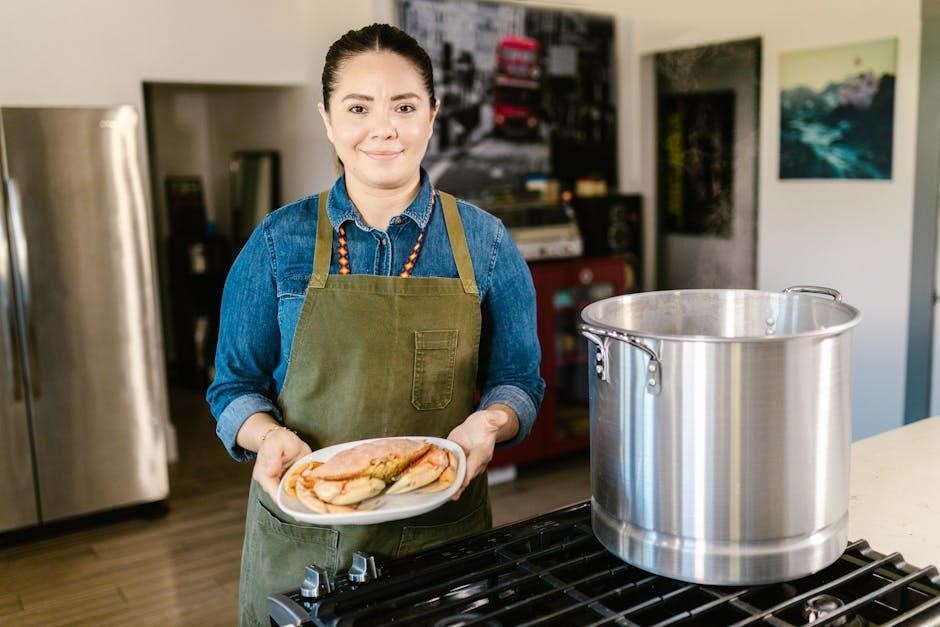
Mirro canners feature a robust body, secure locking mechanisms, a pressure regulator, and a canning rack.
Understanding each component is vital for safe and effective food preservation.
Canner Body and Locking Mechanisms
The canner body, typically aluminum, withstands high pressure during processing. Mirro canners utilize secure locking mechanisms – often a wing nut system – to ensure a tight seal between the lid and the body.
Proper locking is crucial for maintaining consistent pressure and preventing dangerous steam leaks during the canning process.
Pressure Regulator and Safety Features
Mirro canners employ either weighted gauge or dial gauge regulators to maintain precise pressure. Safety features, like a vent pipe and overpressure plug, are vital. The vent pipe releases excess steam, while the plug prevents catastrophic failure by venting if pressure exceeds safe limits, ensuring user safety.
Rack and Jar Capacity
Mirro canners include a rack to elevate jars, preventing direct contact with the canner base. Jar capacity varies by model; the Model 92040 and related series accommodate different jar sizes. Always adhere to the maximum capacity specified in your manual to ensure proper heat circulation and safe processing.
Preparing for Pressure Canning
Successful canning begins with meticulous preparation: sterilizing jars, following precise food preparation guidelines, and ensuring correct water levels based on your canning load and recipe.
Jar Preparation and Sterilization
Proper jar preparation is crucial for safe canning. Inspect jars for chips or cracks, then wash thoroughly in hot, soapy water. Sterilization involves boiling jars for ten minutes, or running them through a sterilize cycle in your dishwasher.
Keep jars hot until filling to prevent thermal shock and ensure proper sealing.
Food Preparation Guidelines
Adhering to specific food preparation guidelines is paramount for safety. Vegetables should be freshly harvested and thoroughly washed. Meats require trimming of excess fat. Fruits must be properly peeled and prepared according to tested recipes.
Follow recommended packing methods – raw or hot pack – for optimal results.
Water Levels and Canning Load
Maintaining correct water levels within the Mirro canner is crucial for achieving proper pressure and safe canning. The amount of water varies based on jar size and canning load.
Ensure jars aren’t overcrowded, allowing for adequate heat circulation. Follow the manual’s specific instructions for each recipe.
Operating Instructions: Traditional Mirro Canners
Traditional Mirro canners require careful loading, lid securing, and venting procedures. Establishing and maintaining the correct pressure, as outlined in the manual, is vital for safe processing.
Loading Jars and Securing the Lid
Carefully place filled jars onto the Mirro canner rack, ensuring they don’t touch. Center the lid correctly, aligning it with the canner body. Securely fasten the lid, following the manual’s specific locking mechanism instructions.
Proper sealing is crucial for achieving the necessary pressure during canning.
Venting the Canner
Before pressurizing, vent the Mirro canner by allowing steam to escape steadily for the time specified in your manual – typically 10 minutes. This crucial step removes air, ensuring accurate pressure development.
A consistent steam flow indicates proper venting before the weighted gauge or dial is applied.
Establishing and Maintaining Pressure
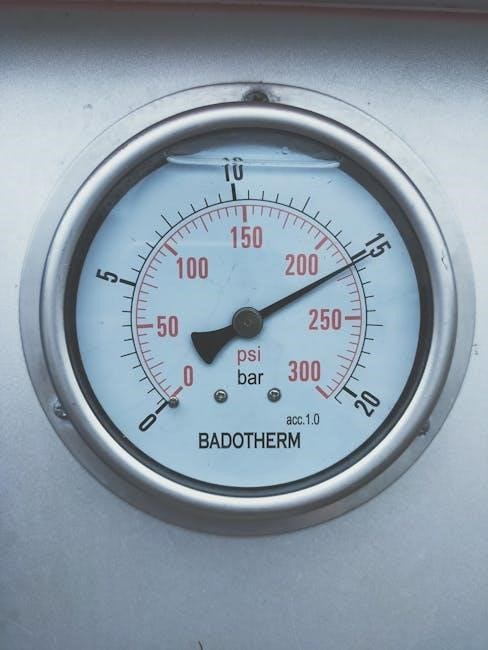
After venting, attach the weighted gauge or close the dial gauge. Allow pressure to build to the recipe’s specified level.
Maintain consistent pressure throughout the processing time, adjusting the heat as needed. Fluctuations can compromise safety; consistent monitoring is vital for successful canning.
Pressure Canning Times and Recipes
Accurate processing times vary by food type, jar size, and altitude. Consult reliable recipes and adjust canning times accordingly for safe preservation, following Mirro guidelines.
Recommended Processing Times for Vegetables
Vegetable processing times in a Mirro canner depend on density and packing method – raw or hot pack. Green beans require 20-40 minutes at 10 PSI, while carrots need 25-35 minutes.
Always consult a current, reliable recipe source for precise times based on your altitude and specific vegetable type, ensuring safe preservation.
Processing Times for Fruits and Meats
Fruits generally require less processing than meats in a Mirro canner. Low-acid fruits like peaches need 10-15 minutes at 8 PSI, while meats, being low-acid, demand longer times – typically 75-90 minutes for pint jars of beef.
Always verify times with a current canning guide, adjusting for altitude.
Altitude Adjustments for Canning
Altitude significantly impacts canning safety; higher elevations require increased processing times due to lower boiling points. Mirro canner instructions emphasize adding time or pressure. Above 1,000 feet, adjustments are crucial, increasing to 5 PSI for every 1,000 feet above sea level, or adding processing minutes.
Safety Precautions
Mirro canner safety demands vigilance against burns and scalds, ensuring proper lid sealing. Regularly inspect seals, and promptly address any issues to prevent hazards during operation.
Preventing Burns and Scalds
Mirro canners operate with high temperatures and pressurized steam, necessitating extreme caution. Always vent the canner away from your face and body. Utilize proper canning tools to avoid contact with hot surfaces or steam.
Never attempt to open the canner until pressure has fully released, preventing severe burns and scald injuries.
Proper Lid Sealing and Inspection
Mirro canner lid sealing is crucial for food safety. After processing, allow the canner to cool completely before inspecting lids for proper vacuum seals.
Lids should be concave and not flex when pressed. Any unsealed jars must be reprocessed with new lids, or refrigerated immediately to prevent spoilage.
Troubleshooting Common Issues
Mirro canner problems include failure to reach pressure, often due to insufficient water or an improperly vented canner. Unsealed lids may result from incorrect processing times or faulty gaskets. Excessive steam indicates a loose lid or regulator; address these immediately for safe canning.
Operational Changes in Newer Models (Post-2016/2017)
Newer Mirro canners feature updated pressure regulation and enhanced safety features; therefore, always disregard older manuals and consult the documentation provided with your specific model.
Differences in Pressure Regulation
Modern Mirro pressure canners demonstrate shifts in pressure regulation compared to legacy models. Earlier versions often utilized weighted gauge regulators, while newer designs incorporate dial gauge systems or modified weighted mechanisms.
These changes necessitate understanding the specific regulator type on your canner, as operating procedures and pressure readings differ significantly.
Updated Safety Features
Newer Mirro canners (post-2016/2017) feature enhanced safety mechanisms beyond older designs. These improvements may include redesigned locking lids, improved pressure release systems, and clearer safety valve indicators.
Always consult the manual accompanying your specific model to fully understand and utilize these updated features for secure canning.
Disregarding Older Manuals for Newer Canners
Crucially, if your Mirro canner was purchased in or after 2016/2017, do not use older instruction manuals. Significant operational changes necessitate following the manual provided with your specific, newer model. Using outdated instructions can compromise safety and lead to improper canning results.
Cleaning and Maintenance
Regular cleaning, gasket inspections, and proper storage are vital for Mirro canner longevity. Thoroughly clean after each use, checking seals for wear and tear.
Proper Cleaning Procedures
After each use, allow the Mirro canner to cool completely before disassembly. Wash all components – body, lid, rack, and regulator – with warm, soapy water. Inspect for any food residue and remove it carefully. Avoid abrasive cleaners that could damage surfaces.
Rinse thoroughly and dry all parts completely before storing to prevent corrosion and maintain optimal functionality.
Inspecting Gaskets and Seals
Regularly inspect the rubber gasket for cracks, hardening, or deformation. A damaged gasket compromises the canner’s seal, leading to unsafe processing. Check the sealing ring within the lid for similar issues. Replace gaskets and seals annually, or sooner if damage is detected.
Ensure proper sealing for safe canning!
Storage Recommendations
After thorough cleaning and drying, store your Mirro canner in a dry location to prevent rust and corrosion. Remove the gasket and store it separately in a cool, dark place. Avoid storing jars or other items inside the canner, which can trap moisture.
Proper storage extends its life!
Troubleshooting Common Problems
Common issues include failure to reach pressure, improper lid sealing, and excessive steam. Addressing these promptly, using the manual, ensures safe canning and prevents food spoilage.
Canner Won’t Reach Pressure
If your Mirro canner fails to pressurize, verify sufficient liquid levels are present, as inadequate liquid hinders steam buildup. Ensure the vent port isn’t blocked, and the lid is correctly sealed.
Check the pressure regulator for damage or obstructions; a faulty regulator prevents proper pressure development, compromising safety.
Lids Not Sealing Properly
If lids aren’t sealing, ensure jar rims are clean and free of chips or dents. Inspect the rubber sealing compound on the lids for damage; replace if compromised.
Verify correct processing times and pressure levels were followed, as insufficient processing leads to seal failures, risking spoilage.
Excessive Steam Release
Excessive steam during venting indicates a potential issue with the vent pipe or gasket. Ensure the vent pipe is clear of obstructions.
If steam continues excessively after reaching operating pressure, reduce heat slightly and monitor closely; a faulty regulator might be the cause, requiring replacement.

Understanding Pressure Regulator Types
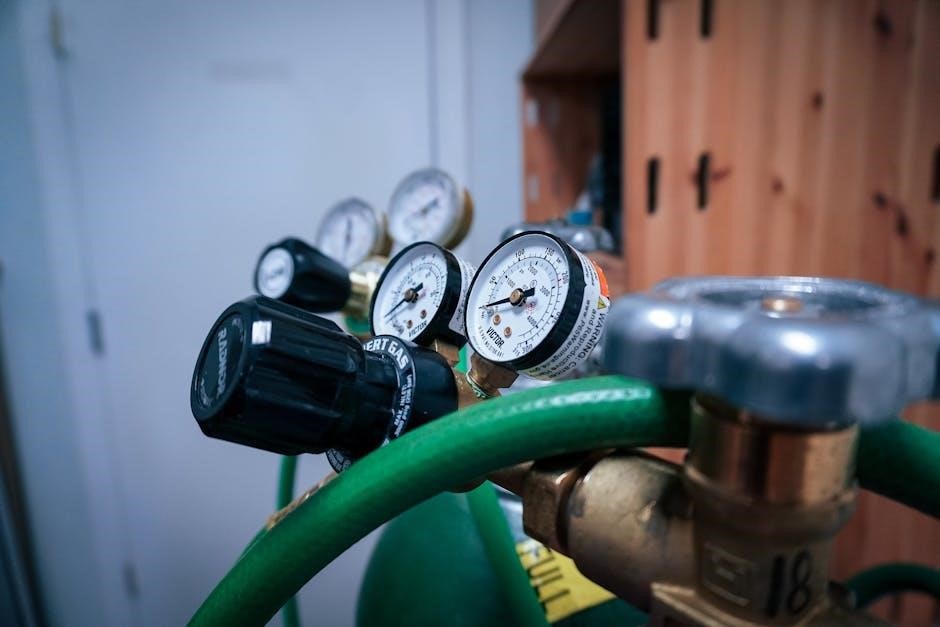
Mirro canners utilize weighted gauge or dial gauge regulators. Weighted gauges automatically release excess pressure, while dial gauges require manual monitoring of pressure levels during canning.
Weighted Gauge Regulators
Weighted gauge regulators on Mirro canners are known for their simplicity and reliability. These regulators automatically maintain a consistent pressure by releasing excess steam. They don’t require constant monitoring like dial gauges, offering a hands-off approach to pressure control during the canning process, ensuring safe preservation.
Dial Gauge Regulators
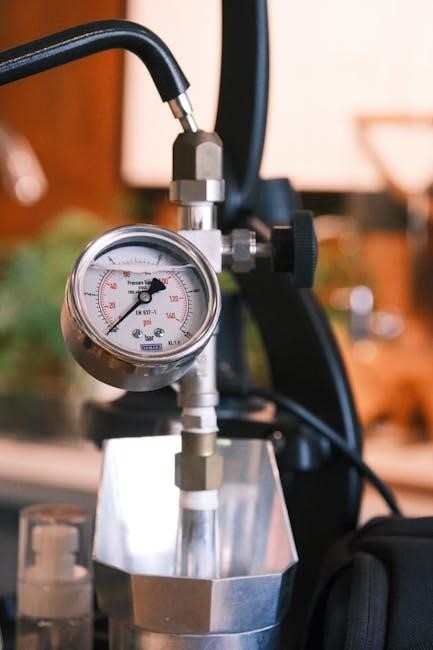
Dial gauge regulators on Mirro canners display precise pressure levels, requiring attentive monitoring throughout the canning process. Regular testing for accuracy is crucial, as dial gauges can lose calibration over time. Consistent observation ensures the correct pressure is maintained for safe and effective food preservation.
Resources and Further Information
Online canning communities and the Mirro manufacturer’s website offer valuable support and contact information. These resources provide assistance with manuals and canning questions.
Online Canning Communities and Support
Facebook groups like “Canning for beginners, safely by the book” provide a collaborative environment for Mirro canner users. These communities offer peer support, troubleshooting advice, and shared experiences regarding instruction manuals.
Engaging with these groups can supplement official documentation and clarify canning processes.
Manufacturer Website and Contact Information
Mirro’s official website serves as a primary resource for instruction manuals and support. While direct contact information may be limited, accessing downloadable manuals – specifically differentiating between legacy and newer models – is crucial.
Manufacturer resources ensure users have the most accurate guidance for safe canning.
Recipe Booklet Overview
Mirro recipe booklets complement canning instructions, offering tested recipes. Adapting recipes for pressure canning requires careful adherence to processing times and safety guidelines for optimal results.
Accessing Mirro Recipe Booklets
Mirro recipe booklets were traditionally included with canner purchases, providing tested preservation methods.
Currently, accessing these resources may involve searching online archives like ManualsLib or exploring canning communities.
Manufacturer websites sometimes host downloadable booklets, while Facebook groups dedicated to canning often share scanned copies for user convenience.
Adapting Recipes for Pressure Canning
Mirro manuals emphasize using only recipes specifically formulated for pressure canning to guarantee safety.
Modifying recipes can compromise processing times and lead to spoilage or health risks. Always adhere to tested guidelines for ingredient ratios, acidity levels, and recommended processing procedures for optimal results.
Microsoft Updates and Canning (Contextual Note)
Microsoft updates have no direct relevance to Mirro pressure canning procedures or safety guidelines. Canning relies on established food preservation principles, independent of software updates.
Relevance of Microsoft Updates to Canning (None Direct)
Microsoft’s Windows updates, including cumulative releases like KB5079473, focus on operating system security and improvements. These updates are entirely unrelated to the mechanics or safety protocols of Mirro pressure canning.
Food preservation techniques, like those detailed in Mirro manuals, remain independent of digital software functionalities.