marie callender pot pie instructions
Marie Callender Pot Pie Instructions: A Comprehensive Guide
Navigating the freezer aisle for a comforting meal? This guide details cooking Marie Callender’s pot pies‚
covering oven baking‚ air frying‚ and safety—ensuring a delightful experience!
Understanding Marie Callender Pot Pies
Marie Callender’s pot pies represent a convenient and comforting meal option‚ widely available in the frozen food section of most grocery stores. These pies are pre-made‚ requiring minimal preparation before cooking‚ making them ideal for busy weeknights or when a quick‚ satisfying dinner is desired. The brand offers a variety of flavors‚ typically featuring creamy fillings encased in a flaky‚ golden crust.
The appeal lies in their ease of use and consistent quality. While homemade pot pies offer customization‚ Marie Callender’s provides a reliable and readily available alternative. Understanding the basic construction – a filling of meat (chicken or beef are common) and vegetables in a gravy base‚ topped with a pastry crust – is key to successful cooking. Recognizing this structure helps in adapting cooking methods and troubleshooting potential issues‚ like ensuring even heating or preventing a soggy crust.
Types of Marie Callender Pot Pies Available
Marie Callender’s offers a diverse selection of pot pies to cater to various preferences. Classic Chicken Pot Pie remains a staple‚ featuring tender chicken and a medley of vegetables in a creamy sauce. Beef Pot Pie provides a heartier option‚ substituting chicken with savory beef. Beyond these traditional choices‚ the brand frequently introduces limited-edition and specialty flavors.
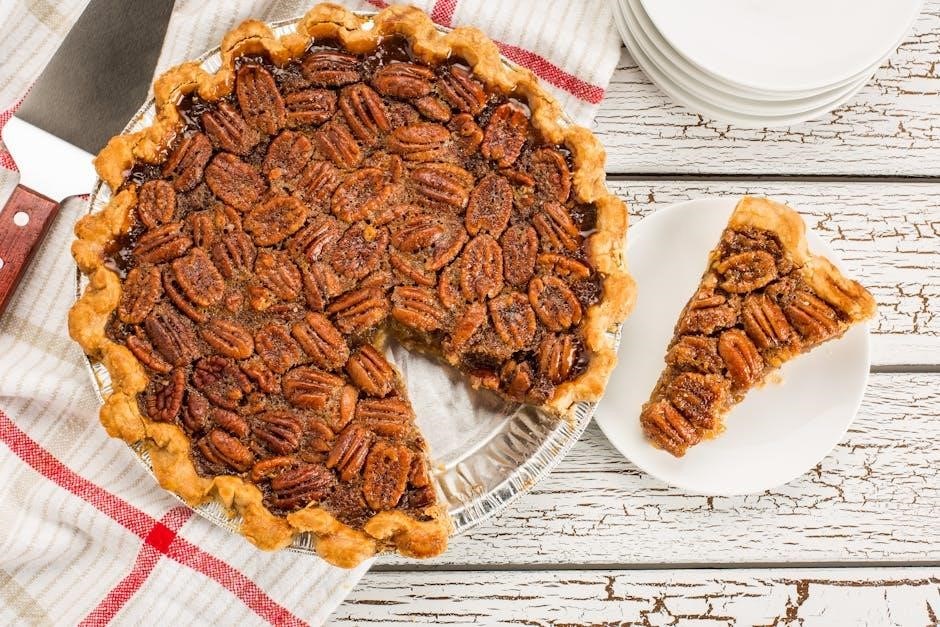
Recent additions often include varieties like Chicken & Mushroom‚ or those with different crust styles‚ such as a lattice top. They also offer larger family-size pot pies designed to feed multiple people‚ alongside individual serving sizes for single diners. Furthermore‚ Marie Callender’s sometimes releases seasonal flavors‚ capitalizing on popular tastes. Checking the freezer aisle reveals the current range‚ ensuring you find a pot pie perfectly suited to your craving!
Checking the Package Instructions
Before embarking on your pot pie journey‚ meticulously review the package instructions. While general guidelines exist‚ slight variations can occur based on the specific product and size. Pay close attention to recommended oven temperatures and baking times; these are crucial for achieving a perfectly cooked pie. The packaging will also detail whether thawing is required or if the pie can be baked directly from frozen – a significant time saver!
Furthermore‚ the instructions outline crucial safety information‚ including handling precautions for the hot pie and proper storage guidelines. Always adhere to these recommendations to ensure a safe and enjoyable experience. Ignoring the package details could lead to an undercooked center or a burnt crust. A quick read-through guarantees optimal results and prevents potential kitchen mishaps!
Preparation Before Cooking
Success starts with preparation! Preheat your oven‚ choose a suitable baking dish‚ and optionally thaw the pot pie for even cooking.
Thawing (Optional)
While not strictly necessary‚ thawing your Marie Callender pot pie before baking can contribute to a more evenly heated and consistently textured final product. If you choose to thaw‚ the recommended method is to transfer the frozen pot pie from its packaging to a refrigerator and allow it to sit for several hours‚ ideally overnight.
This gradual thawing process helps prevent drastic temperature differences during baking‚ potentially leading to a soggy crust or a frozen center. However‚ remember that a thawed pot pie must be cooked within 24 hours to maintain food safety. If you’re short on time‚ or prefer convenience‚ baking directly from frozen is perfectly acceptable and will still yield a delicious result‚ though you may need to slightly increase the baking time.
Important Note: Do not thaw at room temperature‚ as this can encourage bacterial growth.
Preheating the Oven
Achieving the perfect flaky crust and thoroughly heated filling begins with proper oven preheating. Marie Callender’s pot pie instructions consistently emphasize the importance of a fully preheated oven before introducing the pie. Set your oven temperature to 375°F (190°C). Allow sufficient time – typically around 15-20 minutes – for the oven to reach and stabilize at this temperature.
Using an oven thermometer is highly recommended to ensure accuracy‚ as oven temperatures can sometimes vary. A properly preheated oven guarantees even heat distribution‚ crucial for cooking the pot pie uniformly. Placing the pot pie in a cold oven will result in uneven cooking‚ potentially leading to a soggy bottom crust and a frozen center. Patience during this step is key to a satisfying pot pie experience!
Choosing the Right Baking Dish
While Marie Callender’s pot pies are designed for direct oven baking‚ utilizing a baking dish offers added convenience and mess prevention. A rimmed baking sheet is the most suitable choice‚ providing a barrier to catch any potential filling spills during baking. The size of the baking sheet should comfortably accommodate the pot pie’s packaging – typically around 9×13 inches is sufficient.
Avoid using glass baking dishes unless they are specifically oven-safe and rated for the required temperature. Dark-colored baking sheets tend to cook food faster‚ potentially leading to a burnt crust‚ so lighter-colored options are preferable. Lining the baking sheet with parchment paper further simplifies cleanup. Ultimately‚ the primary goal is to provide a stable‚ heat-resistant surface for the pot pie during the baking process‚ ensuring even cooking and easy handling.
Oven Baking Instructions
For a golden‚ flaky crust and bubbly filling‚ preheat your oven and follow package directions closely. Baking times vary‚ so check for doneness!
Traditional Oven Temperature and Time
Achieving the perfect Marie Callender’s pot pie requires precise oven settings. Generally‚ preheat your oven to 375°F (190°C). Place the frozen pot pie directly onto the oven rack – a baking sheet isn’t typically needed‚ though it can catch any potential spills. The standard baking time for most varieties is approximately 50-60 minutes. However‚ always refer to the specific instructions printed on your pot pie’s packaging‚ as times can slightly differ based on size and filling type.
For optimal results‚ avoid opening the oven door frequently during baking‚ as this can lower the temperature and prolong the cooking process. A consistent temperature is key to a beautifully browned crust and a thoroughly heated filling. Consider rotating the pot pie halfway through the baking time to ensure even cooking and prevent hot spots. Remember‚ these are guidelines; checking for doneness is crucial!
Checking for Doneness
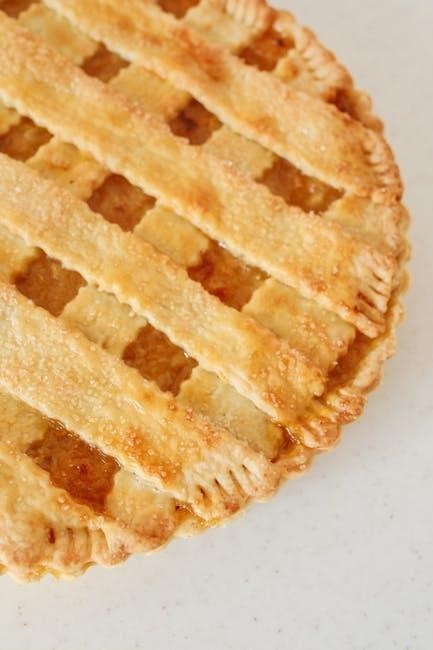
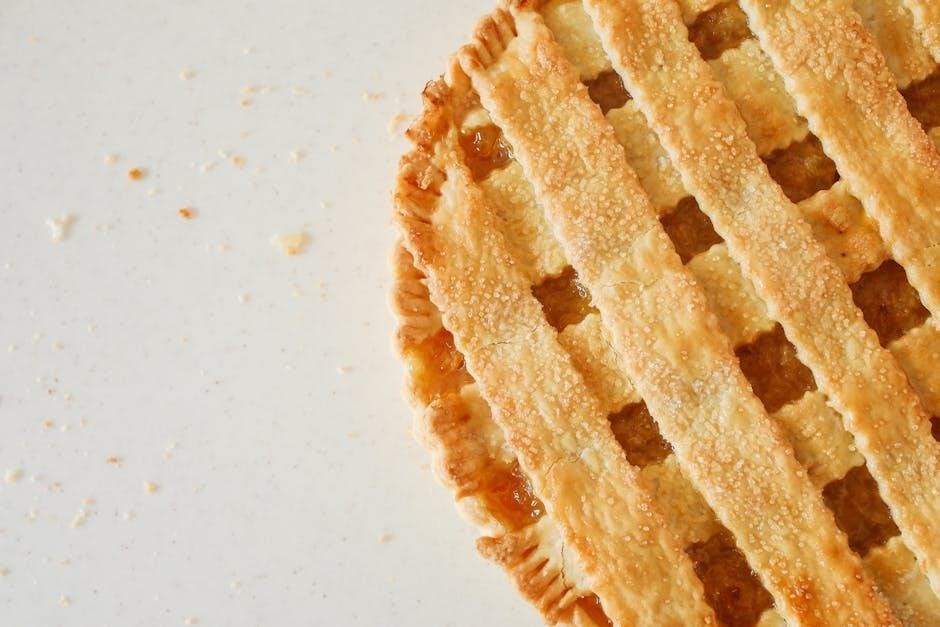
Determining when your Marie Callender’s pot pie is perfectly cooked involves assessing both the crust and the filling. The crust should be golden brown and flaky – a visual cue indicating it’s reached the proper temperature. Gently insert a fork or knife into the center of the crust; it should pierce easily without significant resistance. More importantly‚ the filling must be bubbling vigorously‚ especially around the edges. This bubbling signifies that the filling has reached an internal temperature sufficient to ensure it’s thoroughly heated.
If the crust is browning too quickly but the filling isn’t bubbling‚ tent the pot pie loosely with aluminum foil to prevent further browning. Use an oven thermometer to verify your oven’s accuracy. A properly cooked pot pie will have a hot‚ steaming filling and a delightfully crisp crust – a truly satisfying meal!
Resting Time After Baking
Allowing your freshly baked Marie Callender’s pot pie to rest is a crucial‚ often overlooked‚ step. Once removed from the oven‚ let the pot pie stand for at least 5-10 minutes before serving. This resting period allows the filling to set slightly‚ preventing a potentially scalding and messy experience when you cut into it. It also allows the flavors to meld and deepen‚ enhancing the overall taste.
During this time‚ the internal temperature will equalize‚ ensuring the filling isn’t molten hot in the center and lukewarm on the edges. Be patient! The wait is well worth it. A rested pot pie is easier to serve‚ more enjoyable to eat‚ and boasts a more cohesive and flavorful experience. Consider it a final touch of culinary care.
Alternative Cooking Methods
Beyond the oven‚ explore quicker options! Air frying delivers a crispy crust in under 30 minutes‚ while microwaving—though not ideal—offers convenience.
Air Fryer Instructions
For a faster‚ crispier result‚ the air fryer is an excellent choice! Begin by preheating your air fryer to 350°F (175°C) for approximately 3-5 minutes. This ensures even cooking and a beautifully golden crust. Place the frozen Marie Callender pot pie directly into the air fryer basket – no need to thaw!
Cook for 20-25 minutes‚ flipping halfway through to promote uniform browning. Keep a close watch during the final few minutes to prevent burning‚ as air fryers can vary in intensity. To check for doneness‚ carefully insert a fork into the center; the filling should be bubbling and heated through.
Once cooked‚ let the pot pie rest for a few minutes before enjoying. This allows the filling to settle and prevents burns. Air frying significantly reduces cooking time while delivering a satisfyingly flaky crust – a perfect option for a quick and delicious meal!
Microwave Instructions (Not Recommended)
While technically possible‚ microwaving a Marie Callender pot pie is strongly discouraged due to significant compromises in texture and quality. The crust will likely become soggy and rubbery‚ and the filling may heat unevenly‚ resulting in a less-than-satisfying experience. If absolutely necessary‚ pierce the top of the pie crust several times to allow steam to escape.
Microwave on high for 5-7 minutes‚ rotating halfway through. However‚ be prepared for a drastically different outcome compared to oven or air fryer methods. The filling may be hot while the crust remains disappointingly soft.
Consider this a last resort option only. For optimal enjoyment of your Marie Callender pot pie‚ we highly recommend utilizing the oven or air fryer instructions provided elsewhere in this guide. These methods deliver the intended flaky crust and perfectly heated filling that make this meal so beloved.
Safety Precautions
Always exercise caution when handling hot pot pies! Use oven mitts‚ avoid burns from steam‚ and store leftovers properly to prevent foodborne illness.
Handling Hot Pot Pies
Marie Callender’s pot pies emerge from the oven incredibly hot‚ demanding careful handling to prevent accidental burns. Always utilize oven mitts or heat-resistant gloves when removing the pie from the oven or handling the baking dish. Avoid direct contact with the hot crust or filling.
Be particularly cautious of escaping steam when first removing the pie from the oven‚ as this can cause significant burns. Allow the pot pie to rest for a few minutes after baking to allow the filling to settle and the temperature to distribute more evenly.
When serving‚ cut the pot pie with a knife and fork‚ rather than attempting to pick it up directly. Ensure children are supervised when consuming a hot pot pie‚ and instruct them to be careful when handling it. Prioritizing safety ensures a pleasant and burn-free dining experience with this comforting meal.
Avoiding Burns
Protecting yourself from burns is paramount when enjoying a freshly baked Marie Callender’s pot pie. The filling can reach extremely high temperatures‚ posing a burn risk if not handled cautiously. Always use appropriate protective gear‚ such as oven mitts‚ when handling the hot dish.
Exercise extreme caution when removing the pie from the oven‚ being mindful of escaping steam. Steam burns are often more severe than direct contact burns. Allow the pot pie to cool slightly on a wire rack before attempting to cut or serve it.
Never attempt to move a hot pot pie without proper support. A stable surface and secure grip are essential. If a burn does occur‚ immediately cool the affected area with cool (not cold) water for at least ten minutes and seek medical attention if necessary. Prioritizing burn prevention ensures a safe and enjoyable meal.
Proper Food Storage
Maintaining the quality and safety of your Marie Callender’s pot pie relies on correct storage practices. Uncooked pot pies should remain frozen at 0°F (-18°C) until ready for use. Ensure the packaging is tightly sealed to prevent freezer burn and maintain flavor.
Leftover cooked pot pie should be refrigerated within two hours of baking. Store it in an airtight container to prevent drying and absorption of other refrigerator odors. Consume refrigerated leftovers within 3-4 days for optimal quality and safety.
Reheating leftover pot pie thoroughly is crucial. Ensure the internal temperature reaches 165°F (74°C) to eliminate any potential bacteria. Discard any pot pie that has been left at room temperature for more than two hours. Following these guidelines guarantees a safe and delicious experience.

Troubleshooting Common Issues
Encountering problems with your Marie Callender’s pot pie? This section addresses frozen centers‚ burnt crusts‚ and watery fillings—offering solutions for perfect results!
Pot Pie is Frozen in the Middle
A common issue is a frozen center‚ despite following baking times. This typically indicates the pot pie wasn’t adequately thawed‚ or your oven’s temperature is inaccurate. Ensure your oven is properly calibrated using an oven thermometer. If the pie remains frozen‚ extend the baking time‚ covering the crust with foil to prevent over-browning.
Check every 15-20 minutes‚ gently pressing the center to assess for thawing. Rotating the pie halfway through baking can also promote even heating. For best results‚ consider a partial thaw in the refrigerator for several hours before baking. Remember‚ a longer baking time at a lower temperature is preferable to a burnt crust and frozen interior. Patience is key to a fully heated‚ delicious pot pie!
Crust is Burning
A frequently encountered problem is a beautifully browned‚ yet burning‚ crust while the filling remains cold. This usually happens with higher oven temperatures or extended baking times. The solution is simple: create a protective barrier! Tent the pot pie loosely with aluminum foil during the latter half of the baking process.
This shields the crust from direct heat‚ allowing the filling to heat through without further browning. You can also lower the oven temperature slightly during the final stages. Regularly check the pie’s progress‚ lifting the foil occasionally to assess the crust’s color. A golden-brown crust is ideal; a dark‚ charred crust indicates over-baking. Prevention is best – start with the recommended temperature and time‚ and adjust as needed.
Filling is Too Watery
A common concern is a pot pie with a filling that appears excessively watery after baking. This can stem from several factors‚ including the pie not being fully thawed before cooking‚ or variations in oven temperatures. To mitigate this‚ ensure the pot pie is thoroughly heated through – a longer baking time at the recommended temperature can help reduce excess liquid.
Avoid lifting the foil frequently during baking‚ as this releases steam and can contribute to a watery consistency. If the issue persists‚ consider gently tilting the pie after baking to pool the liquid in one area before serving. While not ideal‚ this prevents a soggy bite throughout. Proper thawing‚ if desired‚ is crucial for a thicker‚ more satisfying filling.
Nutritional Information
Considering dietary needs? Marie Callender’s pot pies offer varying calorie counts and ingredient lists; always check the packaging for allergen details and serving sizes.
Calorie Count
Understanding the caloric content of Marie Callender’s pot pies is crucial for mindful eating. The calorie count varies significantly depending on the specific variety and size of the pot pie. A standard single-serving chicken pot pie typically contains around 400-500 calories. However‚ larger family-size pies‚ or those with different fillings like beef or turkey‚ can exceed 600 calories per serving.
It’s important to consult the nutritional information panel on the packaging for the most accurate calorie count for the particular pot pie you’ve chosen. This panel will also detail the breakdown of macronutrients – fats‚ carbohydrates‚ and proteins – contributing to the total calorie count. Keep in mind that crust contributes a substantial portion of the calories‚ primarily from fats. For those watching their weight or following specific dietary plans‚ portion control and mindful consumption are key when enjoying these comforting meals.
Ingredients and Allergens
Marie Callender’s pot pies contain a diverse range of ingredients‚ contributing to their rich flavor and texture. Common components include chicken or beef‚ mixed vegetables (peas‚ carrots‚ potatoes)‚ a creamy sauce‚ and a flaky pie crust. The sauce typically incorporates wheat flour‚ milk‚ and various seasonings. Be aware that the ingredient list can vary slightly between different pot pie varieties.
Crucially‚ these pies often contain common allergens. Wheat is present in the crust and sauce‚ making them unsuitable for individuals with gluten sensitivities or celiac disease. Milk and soy are also frequent ingredients. Some varieties may contain traces of eggs or tree nuts. Always carefully review the ingredient list on the packaging to identify potential allergens before consumption‚ especially if you have food allergies or sensitivities. Manufacturers may change ingredients‚ so checking each time is vital.
Serving Size
Determining the appropriate serving size for a Marie Callender’s pot pie is essential for mindful eating and accurate nutritional tracking. Generally‚ one standard-sized pot pie is considered to be approximately one serving. However‚ this can vary depending on the specific variety – some larger family-size pies will naturally yield multiple servings.
The packaging clearly indicates the serving size and corresponding nutritional information. It’s important to adhere to the recommended serving size to accurately assess calorie intake and macronutrient distribution. While a whole pot pie can be incredibly satisfying‚ it represents a substantial portion of daily caloric needs. Consider pairing it with a side salad or steamed vegetables to create a more balanced meal. Always consult the nutrition facts panel for precise details related to the specific pot pie you are consuming.