
fiddler on the roof script pdf
Fiddler on the Roof, a timeless musical, follows Tevye and his family in 1905 Anatevka. Its blend of humor, heart, and tradition captures Jewish life, making it a cultural touchstone. The PDF preserves every lyric, stage direction, and nuance for fans and scholars. Melodies resonate across ages.!!
Overview of the Musical and Its Cultural Significance
Fiddler on the Roof, first staged in 1964, is a musical adaptation of Sholem Aleichem’s stories set in a Jewish village in the Russian Empire. The narrative follows Tevye, a milk‑seller, as he balances tradition and change while raising his daughters amid looming social upheaval. The score, composed by Jerry Bock with lyrics by Sheldon Harnick, blends folk tunes with Broadway flair, creating an emotional resonance that has endured for decades. Its songs—“Tradition,” “If I Were a Rich Man,” and “Sunrise, Sunset”—have become cultural touchstones, evoking both humor and pathos. The musical’s success led to a 1971 film adaptation, a 2002 Broadway revival, and countless international productions, cementing its place as a staple in theater repertoires. Beyond the stage, the script serves as a teaching tool for exploring Jewish customs, language, and history, providing educators and scholars with a rich resource that captures the delicate balance between personal desire and communal responsibility. By presenting a slice of life that is both specific and universal, Fiddler on the Roof invites reflection on how traditions evolve, adapt, and sometimes resist change.

The Importance of the Full Script
The complete script is essential for directors actors, and scholars, offering precise stage directions, vocal cues, and contextual nuances. It ensures adaptation, preserves original intent, and facilitates exact rehearsal, enabling productions to honor the musical’s legacy while engaging new audiences.
Why Readers and Directors Seek the PDF Version
Readers and directors alike gravitate toward a PDF copy of the Fiddler on the Roof script for several compelling reasons. First, the PDF preserves the original formatting, ensuring that stage directions, character names, and musical cues appear exactly as intended by the playwright and composer. This fidelity is crucial for accurate rehearsal and performance. Second, a PDF is portable and universally accessible; it can be opened on laptops, tablets, or smartphones without the need for specialized software, making it convenient for on‑the‑go study or quick reference during a busy rehearsal schedule. Third, PDFs support annotation tools, allowing users to highlight passages, add margin notes, or embed rehearsal reminders directly into the document. This feature streamlines collaboration among cast members, stage managers, and production teams. Fourth, the digital format reduces physical wear and tear, preserving the script for future productions while also being environmentally friendly. Finally, many libraries and educational institutions offer PDFs through legitimate licensing agreements, giving students and professionals a legal, cost‑effective way to access the full text. Together, these benefits explain why the PDF version remains the preferred medium for those preparing to bring the beloved musical to life on stage.

Legal and Ethical Considerations
Copyright protects the Fiddler on the Roof script; unauthorized PDFs violate intellectual property rights. Ethical use requires proper licensing, respecting creators’ intent, and avoiding distribution that harms the production’s financial viability and trust!

Copyright Status and Fair Use Explained
The Fiddler on the Roof script remains under copyright protection, as the creators and estates retain rights. The musical was first produced in 1964, and the copyright term for works created after 1978 typically extends for life of author plus 70 years. Because the book, lyrics, and score were created by Sholem Aleichem, Joseph Stein, and Jerry Bock and Sheldon Harnick, the rights are still in force. Any reproduction, distribution, or public performance of the script without permission is a violation of copyright law, unless it falls under a narrow exception such as fair use. Legal context.
Fair use is a doctrine that allows limited use of copyrighted material without owner’s permission for purposes criticism, comment, reporting, teaching, scholarship, fair use. Courts evaluate four factors: the purpose and character of the use; the nature of the copyrighted work; the amount and substantiality of the portion used; and the effect on the market for the original. For script PDF, teacher who copies few pages for classroom discussion might qualify, but production company that uses script to stage show license would not.
In practice, the safest route is to obtain a licensed copy from authorized publisher a licensed digital platform. This ensures compliance with copyright law and supports the creators. When in doubt, consult a professional or rights holder to confirm whether a particular use is permissible under fair use or requires a license.

Official Sources for the PDF
Authorized publishers such as Samuel French and Broadway Books provide official PDF copies. Licensing platforms like Playbill and e‑book retailers offer legitimate downloads. Always verify the publisher’s imprint and the digital rights license before purchasing or sharing. Buy from authorized sites.
Authorized Publishers and Licensing Platforms
For those seeking a legitimate copy of the Fiddler on the Roof script, the first stop is the publisher’s own website or a recognized distributor. Samuel French, now part of the Dramatists Play Service, offers the full text in PDF format for purchase or rental, complete with the original stage directions and musical notation. Playbill’s digital archive hosts licensed scripts that can be downloaded after a brief registration and a small fee. Broadway Books, the original publisher of the book edition, also provides a PDF version that includes the full score. Music Theatre International (MTI) is a key player; they supply licensed scripts for theatrical productions and offer a digital download option that complies with copyright law. When choosing a platform, look for the publisher’s imprint, ISBN, and licensing clear a terms. Many of these sites require a user account and a one‑time payment that covers both the PDF and the performance rights, ensuring that the production can use the material on stage. If you are a director or a teacher, you can often request a bulk license that includes multiple copies for rehearsal and performance. Always verify that the PDF includes the correct copyright notice and that the file is not a pirated copy, which could contain missing pages or incorrect formatting. By using these authorized sources, you guarantee that the script is accurate, legally compliant, and that the creators receive proper royalties for their work. Purchase through the online site.

Free PDF Archives and Their Risks
Many free archives offer the script, but they often contain incomplete pages, altered formatting, or embedded malware. Downloading from unverified sites can expose you to legal penalties and compromise production quality. Always verify source authenticity before use. Official sites ensure legal use
How to Identify Legitimate vs. Pirated Copies
When searching for a Fiddler on the Roof script, the first sign of authenticity is the source. Official distributors like Dramatists Play Service or Hal Leonard provide PDFs with clear copyright notices, ISBNs, and publisher logos. A legitimate file will also contain a copyright page with a valid © symbol.
Pirated copies often lack these details. The file name may be generic, and the PDF can be compressed or have a lower resolution. Text may be garbled, with missing lines or misplaced stage directions. Hidden links or scripts that trigger malware are common in pirated versions.
Check the file’s metadata: right‑click the PDF, choose “Properties,” and look for the author field, creation date, and publisher name. Official PDFs list the publisher and edition date; pirated files may show “Unknown” or a random name. Run a checksum against the publisher’s hash if available to ensure the file hasn’t been altered.
Legitimate productions use consistent fonts, margins, and formatting that match the original score; Pirated copies may have inconsistent spacing, missing page numbers, or altered character names. Notice any discrepancies; they indicate the PDF is not authentic.
Downloading or distributing pirated scripts can lead to fines, legal action, and damage to your production’s reputation. Investing in an authorized copy protects you from liability and supports the creators, ensuring you have the most accurate and complete version of the musical. Always verify the source before printing using the script!. Ensure the edition number matches publisher list..

Downloading and Opening the PDF
Download the PDF from an authorized site, then open it with a reader like Adobe Acrobat or Foxit. Verify the file’s integrity by checking the checksum or publisher’s signature. Once opened, zoom bookmark, and share with your cast. Keep a backup copy for safety
Fiddler on the Roof, a timeless musical, follows Tevye and his family in 1905 Anatevka. Its blend of humor, heart, and tradition captures Jewish life, making it a cultural touchstone. The PDF preserves every lyric, stage direction, and nuance for fans and scholars. Melodies resonate across ages.!!
Download the PDF from an authorized site, then open it with a reader like Adobe Acrobat or Foxit. Verify the file’s authenticity by checking the publisher’s digital signature or a checksum value. Click the download link and save the file to a secure folder. Install a reliable PDF reader: Adobe Acrobat Reader DC, Foxit Reader, or SumatraPDF. Open the downloaded PDF with the chosen reader. Use the reader’s tools to navigate: bookmarks, search, and zoom. If you plan to annotate, enable the “Comment” or “Highlight” feature. Save any changes to a new file to preserve the original. For sharing, export the annotated PDF or use the reader’s “Share” function. Keep a backup on an external drive or cloud storage. Following these steps ensures a smooth, secure experience while preserving the integrity of the script.
When working with large scripts, consider splitting the PDF into smaller sections using a PDF splitter tool. This helps performers focus on specific scenes. Additionally, use the “Print” feature to create hard copies for rehearsal. Remember to respect copyright by not distributing the PDF without proper licensing.
Use a PDF splitter to create act‑specific files, keeping master intact!
When sharing the PDF with the cast and crew, consider using a secure collaboration platform like Google Drive or a dedicated rehearsal management app. Set permissions so that only authorized users can view or edit the script. For printed copies, use a professional printer and choose a durable paper stock. Label each page with act numbers and scene headings to aid quick reference during rehearsals.
Use a shared folder with read‑only access for the team. Store the PDF in a secure cloud folder
Additionally, provide a printed version of the script in a durable binder, labeling each act with a unique color code. This visual cue helps actors quickly locate their scenes during rehearsals and ensures consistency across all performances!!!
Finally, schedule a run‑through with the cast to test the flow make adjustments before opening night!tonight

Tips for Using the Script in Productions
Annotate with sticky notes, highlight cues, and share digital copies via secure cloud. Use color‑coded tabs for acts, and keep a master PDF locked. During rehearsals, print act‑specific pages and mark blocking notes. Store backups on encrypted drives to protect rights. Keep scripts organized now.!
Annotating, Highlighting, and Sharing with Cast
When preparing the Fiddler on the Roof script PDF for rehearsal, begin by marking key moments with color‑coded highlights. Use a light‑yellow for musical cues, a pale blue for dialogue shifts, and a soft pink for stage directions. Sticky notes can capture blocking reminders or costume changes. Digital annotation tools such as Adobe Acrobat or PDF Expert allow you to add comments directly onto the PDF, ensuring every cast member sees the same version. For collaborative editing, upload the annotated file to a secure cloud service like Google Drive or Dropbox, and set permissions so that only approved participants can view or edit. When sharing, send a brief guide explaining the color scheme and any custom symbols you’ve introduced. This keeps the team aligned and reduces confusion during run‑throughs. Finally, maintain a master copy that remains untouched; keep all annotated versions in a separate folder labeled with rehearsal dates. This workflow preserves the integrity of the original script while providing a flexible, accessible resource for the entire production team. Additionally, consider using PDF markup features such as underline, strikethrough, or call‑out boxes to emphasize important stage directions. If the production uses a digital stage manager, export the annotated PDF to a format compatible with the stage‑management software to ensure cues sync correctly. For large casts, create individual handouts by extracting relevant pages and printing them in a readable font size. Remember to back up the master file in multiple locations, including an encrypted external drive, to protect against data loss. Finally, schedule a brief orientation session where the director and key actors review the annotation system, ensuring everyone understands the color codes and annotation conventions before the first full run‑through. Keep scripts now.

Alternatives to the PDF Format
Explore e‑books, streaming apps, and stage play platforms that sync music, lighting cues, and annotations. Digital libraries offer searchable scripts, while rehearsal tools let you share live updates. These modern options enhance collaboration and accessibility.
Digital Bookstores, e‑books, and Interactive Apps
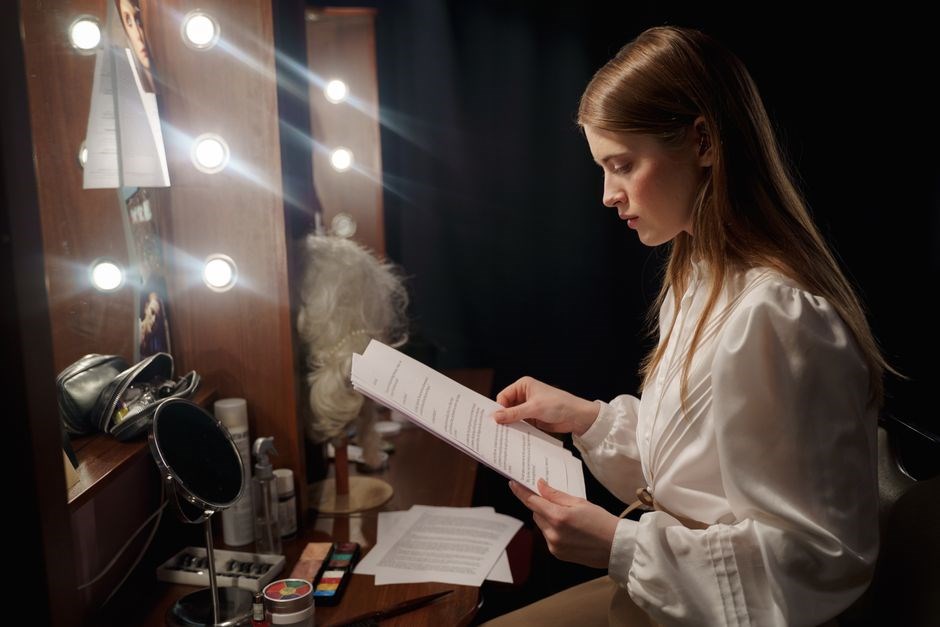
Modern audiences can access the Fiddler on the Roof script via digital storefronts and interactive platforms. Major e‑book retailers such as Amazon Kindle, Apple Books, and Google Play Books offer downloadable copies that preserve the original formatting, complete with musical notation and stage directions. These versions are often available in multiple languages, allowing international productions to adapt the text while keeping the original score’s integrity. For those preferring a tactile reading experience, the e‑book format supports adjustable font sizes, background color changes, and built‑in dictionaries, simplifying study of the play’s cultural references and linguistic nuances. Interactive apps add multimedia elements. Some provide synchronized audio tracks of the score, enabling performers to listen while reading. Others offer annotation tools for directors and actors to highlight passages, add notes, and share these annotations with the cast via cloud sync. This collaborative feature is invaluable during rehearsals, ensuring every member of the production team has instant access to the same script version, reducing miscommunication. Many apps also include rehearsal timers, cue sheets, and scene breakdowns, turning the script into a comprehensive rehearsal management tool. When choosing a digital version, verify that the publisher is authorized to distribute the script. Official releases typically carry a copyright notice and a digital rights management (DRM) system that protects the work from unauthorized copying. By opting for reputable digital bookstores and certified interactive applications, users can enjoy a high‑quality, legally compliant experience that supports the continued legacy of this beloved musical for all audiences.!