chaplet of the five wounds of jesus pdf
The Chaplet of the Five Wounds, practiced for centuries, deeply reflects on Christ’s Passion and suffering․ This devotion centers on Jesus’ sacred wounds, offering spiritual healing․
Historical Context of the Chaplet
The Chaplet of the Five Wounds boasts a rich history, deeply rooted in centuries of Christian devotional practice․ While pinpointing its exact origins proves challenging, the devotion gained significant traction through the work of St․ Alphonsus Liguori, a prominent 18th-century Italian bishop and theologian․
Liguori’s writings extensively promoted this prayer, emphasizing the profound significance of Jesus’ wounds as channels of grace and mercy․ The practice likely evolved from earlier meditations on the Passion, gradually solidifying into the structured chaplet form we recognize today․
Its enduring popularity speaks to the universal human need for solace and connection with Christ’s sacrifice․
The Significance of the Five Wounds
The Five Wounds of Jesus are not merely physical injuries, but potent symbols of His immense love, sacrifice, and redemptive power․ Each wound – in His hands, feet, and side – represents a specific aspect of His suffering and a pathway to divine grace for believers․
These wounds offer healing for the “wounds of the soul,” providing pardon and mercy through the merits of Christ’s Passion․
Meditating on them fosters a deeper understanding of His selflessness and invites a profound connection with His salvific act, offering spiritual comfort and renewal․
Understanding the Wounds of Jesus
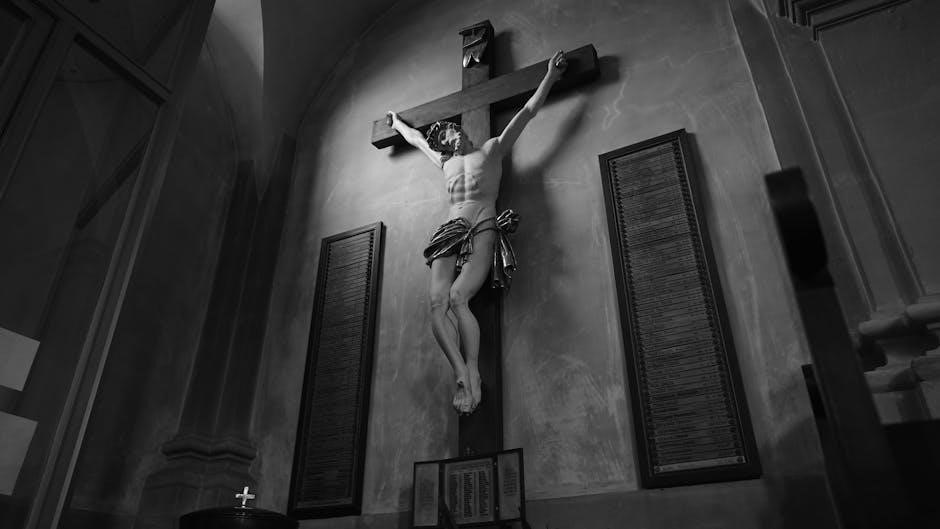
Jesus’ five wounds – in both hands, both feet, and His side – are central to this devotion, representing the totality of His suffering and love․
The Wound in the Right Hand
The wound in Jesus’ right hand, inflicted by the nail during the crucifixion, symbolizes His active work and power to redeem humanity․ Contemplating this wound invites us to acknowledge the strength and sacrifice inherent in His act of salvation․
Devotion to this specific wound, as outlined in the chaplet from St․ Alphonsus Liguori, encourages adoration and gratitude for the divine hand that reached out to save us․ It’s a focal point for prayer, prompting reflection on the immense love demonstrated through such physical suffering․
Through mindful prayer, believers seek healing and a deeper connection with Christ’s sacrifice, recognizing the profound significance of this particular wound within the entirety of His Passion․
The Wound in the Left Hand
The wound in Jesus’ left hand, pierced by a nail during His crucifixion, represents His compassionate embrace and willingness to suffer for our sins․ Meditating on this wound fosters a deeper understanding of His boundless mercy and loving sacrifice for all humankind․
Within the chaplet tradition, particularly as detailed by St․ Alphonsus Liguori, this wound is a focal point for adoration and thanksgiving․ It invites believers to recognize the profound gift of redemption offered through Christ’s suffering․
Praying upon this wound encourages spiritual renewal and a strengthened connection with Jesus’ compassionate heart, acknowledging the depth of His love and the power of His forgiveness․
The Wound in the Right Foot
The wound in Jesus’ right foot, inflicted during His crucifixion, symbolizes His steadfast journey towards fulfilling God’s will and redeeming humanity․ Reflecting on this injury invites contemplation of His unwavering commitment to salvation, even amidst immense pain and suffering․
As outlined in the chaplet of the Five Wounds, particularly by St․ Alphonsus Liguori, this specific wound is a source of praise and honor․ It prompts believers to acknowledge the sacrifice made for their spiritual liberation․
Praying upon this wound fosters a deeper appreciation for Christ’s enduring love and the path He willingly trod, offering forgiveness and eternal life to all who believe․
The Wound in the Left Foot
Contemplating the wound in Jesus’ left foot, a brutal mark of His crucifixion, invites reflection on His humility and complete surrender to the Father’s plan․ This injury represents the final step in His earthly journey towards redemption, a sacrifice freely given for all humankind․
Within the chaplet of the Five Wounds, as detailed by St․ Alphonsus Liguori, this specific wound is met with adoration and gratitude․ It serves as a potent reminder of the physical and spiritual torment endured by our Savior․
Praying upon this wound deepens our understanding of Christ’s boundless love and the price He paid to secure our salvation, offering hope and forgiveness․
The Wound in the Side
The piercing of Jesus’ side, as recounted in the Gospels, is a profoundly symbolic wound, revealing the fullness of His humanity and the outpouring of grace․ This final injury, inflicted after His death, unleashed blood and water – symbols of the Eucharist and the sacraments, offering life and cleansing․
Within the chaplet devotion, meditating on this wound evokes a deep sense of compassion and gratitude for the ultimate sacrifice made for our redemption․ St․ Alphonsus Liguori highlights its significance․
It’s a powerful reminder of Christ’s complete self-gift and the unending mercy available to all who seek Him, fostering spiritual renewal and peace․

Praying the Chaplet: Core Elements
The chaplet utilizes specific prayers on large beads for soul healing through Christ’s wounds, and on small beads for Jesus’ pardon and mercy․
The Opening Prayer
Begin with a profound act of adoration towards Jesus Christ, acknowledging His immense sacrifice․ A traditional opening prayer invokes His name and recognizes the significance of His suffering․ Specifically, one might say, “O my Lord Jesus Christ, I adore the wound in Thy left foot․”
This initial prayer sets the tone for a meditative journey through the five wounds․ It’s a moment to express gratitude for His love and a humble request for healing and forgiveness․ The prayer prepares the heart to contemplate the depth of Christ’s Passion and the redemptive power contained within each sacred wound․
The Prayers on the Large Beads
When reciting the Chaplet of the Five Wounds, the prayers offered on the large beads are particularly focused on inner healing․ Devotees implore God to mend the wounds of the soul through the merits of Christ’s sacred wounds․ This is a plea for spiritual restoration and a recognition of the deep emotional and psychological scars we carry․
The intention is to connect personal suffering with Jesus’ Passion, believing that His wounds possess the power to alleviate our own․ It’s a moment of vulnerability and trust, seeking divine intervention to bring wholeness and peace to the wounded parts of the heart․
The Prayers on the Small Beads
Upon reaching the small beads of the Chaplet of the Five Wounds, the prayer shifts towards seeking forgiveness and divine mercy․ The central invocation is a heartfelt request to Jesus for pardon, specifically “Jesus, pardon and mercy through the merits of Thy holy wounds․”
This prayer acknowledges human frailty and the need for redemption․ It’s a humble appeal, recognizing that Jesus’ sacrifice on the cross offers a pathway to absolution․ Repeating this prayer on each small bead reinforces the belief in the transformative power of Christ’s suffering and love․
Variations and Origins
St․ Alphonsus Liguori is strongly linked to this chaplet, authoring “The Little Chaplet of the Five Wounds of Jesus Crucified,” though variations exist․
St․ Alphonsus Liguori and the Chaplet
St․ Alphonsus Liguori, a renowned Doctor of the Church, played a pivotal role in popularizing the Chaplet of the Five Wounds․ He authored “The Little Chaplet of the Five Wounds of Jesus Crucified,” a testament to his profound devotion to the Passion of Christ․
His work meticulously details prayers focused on each of the five wounds – both hands, both feet, and the side – expressing adoration and seeking healing through them․ Liguori’s intention was to offer a readily accessible devotion for the faithful, enabling them to intimately connect with Christ’s suffering and the boundless love it reveals․ The chaplet, as presented by him, remains a cornerstone for many practicing this devotion today․
Different Versions of the Chaplet
While St․ Alphonsus Liguori’s version is foundational, variations of the Chaplet of the Five Wounds exist, reflecting diverse devotional practices․ Some adaptations incorporate additional prayers, hymns, or reflections on specific aspects of the Passion․ These modifications aim to deepen the meditative experience and cater to individual spiritual needs․
Certain versions emphasize the request for pardon and mercy through the wounds, repeating specific invocations on each bead․ Others focus more intensely on contemplating the physical and spiritual pain endured by Jesus․ Despite these differences, the core intention – honoring the five wounds as symbols of love and redemption – remains consistent across all versions․

Practical Guide to Recitation
Reciting the Chaplet requires a rosary; prayers are offered on large beads for soul healing and on small beads for Jesus’ pardon and mercy․
Materials Needed
To embark on the recitation of the Chaplet of the Five Wounds, the primary material required is a standard Rosary․ This familiar devotional tool serves as the physical aid for navigating the prayers and meditations associated with the chaplet․ While not strictly necessary, having a printed copy of the chaplet’s prayers – easily found in PDF format from reliable sources – can be immensely helpful, especially for those new to this practice․
Additionally, a quiet and peaceful environment is recommended to facilitate focused prayer and contemplation on the Passion of Jesus Christ and the significance of His sacred wounds․ A devotional image of Christ crucified can also enhance the experience․
Step-by-Step Instructions
Begin with the Opening Prayer, expressing adoration to Jesus Christ․ Then, on the large beads, pray for healing of soul wounds through Christ’s sacred wounds․ Proceed to the small beads, requesting Jesus’ pardon and mercy․ Repeat this pattern – large bead prayer, small bead prayer – throughout each decade of the Rosary․
Continue around all five decades, maintaining focused intention․ Conclude with the Concluding Prayer, acknowledging Jesus’ sacrifice․ Many PDF guides offer the complete text․ Remember to pray with reverence and contemplation, meditating on the Passion․
Theological Foundations
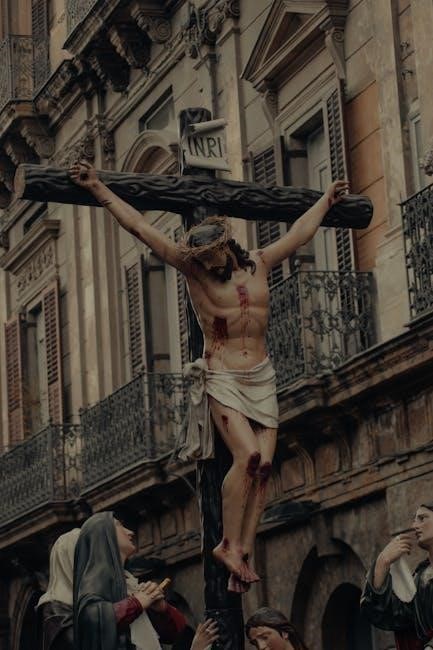
Jesus’ wounds powerfully symbolize His immense love and sacrifice for humanity, offering redemption through suffering․ They are central to faith and devotion․
The Wounds as Symbols of Love
The five wounds of Jesus are not merely marks of suffering, but profound expressions of His boundless love for humankind․ Each wound—in His hands, feet, and side—represents a deliberate act of sacrifice, willingly endured to redeem us from sin․ They are tangible evidence of His compassion and a powerful reminder of the depth of His commitment to our salvation․
These sacred injuries transform pain into a pathway for grace, offering healing and forgiveness to those who contemplate them with a humble heart․ The wounds become focal points for devotion, inviting believers to enter into a deeper relationship with Christ and to experience the transformative power of His love․
Redemptive Suffering and the Wounds
The wounds of Jesus are intrinsically linked to the concept of redemptive suffering․ His physical pain wasn’t simply endured, but actively transformed into a force for our spiritual liberation․ Through His suffering, He bore the weight of our sins, offering a pathway to reconciliation with God and eternal life․
Contemplating these wounds invites us to understand suffering not as meaningless, but as an opportunity for growth and union with Christ․ By uniting our own struggles with His, we can find strength, purpose, and the grace to persevere through life’s challenges, mirroring His selfless sacrifice․
Benefits of Praying the Chaplet
Praying this chaplet offers profound spiritual healing, seeking pardon and mercy through Jesus’ wounds, fostering a deeper connection with His sacrifice and love․
Spiritual Healing
The Chaplet of the Five Wounds is profoundly focused on spiritual restoration․ Through meditative prayer upon Jesus’ sacred wounds, individuals seek healing for deep-seated emotional and spiritual injuries․ This devotion isn’t merely reciting prayers; it’s an intimate encounter with Christ’s suffering and a plea for His compassionate grace․
Each wound represents a specific aspect of our brokenness – sin, pain, and loss – and acknowledging them through the chaplet allows for a powerful release and renewal․ The intention behind the prayers on the large beads specifically asks for God to mend the wounds of the soul, utilizing the merits of Christ’s Passion․
Seeking Pardon and Mercy
A central tenet of praying the Chaplet of the Five Wounds is the earnest desire for divine pardon and mercy․ The prayers recited on the small beads directly implore Jesus for forgiveness, specifically invoking the merits of His holy wounds as intercession․ This isn’t a passive request, but an active acknowledgement of our failings and a humble plea for redemption․
By focusing on the physical suffering Christ endured, we are reminded of the immense price paid for our sins․ The chaplet becomes a powerful tool for contrition, fostering a deeper understanding of God’s boundless love and willingness to forgive, offering solace and peace to the penitent heart․

Finding the Chaplet in PDF Format
Numerous online resources offer the Chaplet of the Five Wounds in PDF format, enabling easy access for personal devotion and prayerful meditation․
Reliable Sources for PDF Downloads
Locating a trustworthy PDF version of the Chaplet of the Five Wounds is essential for accurate recitation․ Several websites dedicated to Catholic devotionals provide downloadable copies; Consider exploring resources affiliated with established religious orders or parishes, ensuring the content aligns with traditional teachings․
Websites offering liturgical materials and prayers often host the chaplet in PDF format․ Always verify the source’s credibility before downloading to avoid inaccurate or altered versions․ Searching for “Chaplet of the Five Wounds PDF St․ Alphonsus Liguori” can yield results from reputable sources, given his association with this devotion․
Accessibility and Digital Resources
The increasing availability of digital resources makes the Chaplet of the Five Wounds readily accessible to a wider audience․ Beyond PDF downloads, numerous websites and apps offer the prayers in text format, suitable for viewing on smartphones or tablets․ Audio recordings of the chaplet are also available, aiding those who prefer listening during prayer․
Online platforms often provide interactive chaplets, guiding users through each prayer and bead․ These digital tools can be particularly helpful for beginners․ Furthermore, many Catholic websites feature articles and explanations about the chaplet’s history and significance, enriching the devotional experience․

The Chaplet and Devotional Practices
Integrating the Chaplet of the Five Wounds into daily prayer enhances other devotions, fostering a deeper connection with Christ’s Passion and sacrifice․
Integrating the Chaplet into Daily Prayer
The Chaplet of the Five Wounds seamlessly integrates into various devotional routines․ Consider reciting it during your morning or evening prayers, offering a poignant reflection on Jesus’ suffering․ Many find it particularly meaningful during Lent, mirroring the penitential season’s focus on Christ’s Passion․
Incorporating the chaplet alongside the Rosary or Divine Mercy Chaplet can enrich your prayer life, deepening your understanding of God’s love and mercy․ It’s a powerful practice to offer after receiving the Eucharist, acknowledging the sacrifice made for your salvation․ Regular recitation cultivates a profound sense of gratitude and spiritual healing․
The Chaplet in Relation to Other Devotions
The Chaplet of the Five Wounds beautifully complements other Catholic devotions, enriching one’s spiritual journey․ It resonates strongly with the Stations of the Cross, deepening contemplation of Jesus’ Passion․ Similarly, it enhances the understanding of the Sacred Heart devotion, focusing on the love manifested through His suffering․
When combined with the Rosary, the chaplet adds a powerful dimension of acknowledging Christ’s physical wounds alongside the mysteries of His life․ It also aligns with the Divine Mercy Chaplet, emphasizing the redemptive power of Jesus’ sacrifice․ These devotions, when practiced together, foster a holistic and profound connection with God’s grace․

Concluding Thoughts on the Chaplet
The Chaplet of the Five Wounds offers enduring power, inviting deeper reflection on Jesus’ sacrifice and love․ Embrace this devotion for spiritual growth!
The Enduring Power of the Five Wounds
The contemplation of Jesus’ five wounds transcends mere historical remembrance; it’s a potent, ongoing source of grace and spiritual strength․ These wounds aren’t symbols of defeat, but rather, triumphant emblems of boundless love and ultimate sacrifice for humanity’s redemption․
Through consistent prayer of the chaplet, believers connect with the depth of Christ’s suffering, fostering profound empathy and a renewed commitment to living a life worthy of His sacrifice․ The wounds remain eternally open, offering continuous access to divine mercy and healing, impacting souls across generations․
A Call to Deeper Reflection
Praying the Chaplet of the Five Wounds isn’t simply reciting prayers; it’s an invitation to profound personal reflection on Jesus’ immense suffering and unwavering love․ Consider the agonizing pain endured in each wound – the hands, feet, and side – and the depth of His sacrifice for our salvation․
Allow this devotion to challenge you to examine your own life, seeking areas where you can more closely emulate Christ’s humility, compassion, and forgiveness․ Embrace the opportunity to deepen your relationship with Jesus through mindful contemplation of His sacred wounds․